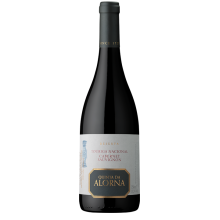
Ribatejo Red Wines from Portugal: Premium Tejo Region Reserva
The Ribatejo region and the influence of the River Tejo
Ribatejo, now officially referred to as the Tejo region, is a Portuguese wine area shaped by the River Tejo: the largest river in Portugal and the defining influence on the region’s climate. The river moderates temperatures and creates comparatively balanced growing conditions, especially in the fertile alluvial plains along its banks. In practice, the choice comes down to style: vineyards closer to the river tend to produce generous, fruit-led reds, while sites with poorer or better-drained soils can give more structure and concentration.
The broader region is classified as Tejo Vinho Regional, while six subregions fall under the stricter Denominação de Origem Controlada designation, now generally referred to as Tejo DOC rather than Ribatejo DOC. The distinction worth making here is between flexibility and typicity: VR wines allow broader blending options, whereas DOC wines follow tighter production rules. Geographically, Tejo sits between Lisbon and Alentejo, and that position is often reflected in the wines: fresher than many southern reds, yet fuller than those from cooler Atlantic zones.
Red wine grape varieties from Tejo
Tejo cultivates both native Portuguese grapes and international varieties, and the key factor that separates them is the profile they tend to bring to the glass. Native grapes usually emphasise regional identity and savoury detail, while international grapes often contribute a more immediately recognisable structure and fruit shape.
Indigenous Portuguese castas and blending potential
Among the principal red varieties are Touriga Nacional, Tinta Amarela, Tinta Miúda, Trincadeira and Castelão, also known as Periquita. These grapes are best suited when you are looking for traditional Portuguese character: dark fruit, firm structure, herbal or earthy undertones, and measured freshness. Touriga Nacional usually offers the most depth and ageing potential, while Castelão tends to give softer tannins and a more accessible red-fruit profile for earlier drinking.
When selecting between regions, it is useful to note that Tejo’s native-grape reds are often less austere than those from drier inland areas. The fertile soils and moderated climate can produce wines with rounder fruit and more open textures, particularly in blends.
International varieties and more structured styles
Cabernet Sauvignon, Merlot, Syrah, Carignan and Pinot Noir are also planted in the region. The distinction worth making here is stylistic rather than hierarchical: Cabernet and Syrah generally support firmer tannins and darker fruit notes, while Merlot can soften a blend, and Pinot Noir, where successful, gives a lighter and more delicate expression. Tejo producers often combine native and international grapes to balance regional character with structure.
If there is one criterion to hold onto, it is the expected drinking window. Wines led by Cabernet Sauvignon or Syrah are often better suited to short- to medium-term cellaring, whereas fruit-forward blends with Castelão or Merlot are frequently intended for earlier enjoyment.
Red wine production in the Tejo region
Red wine production in Tejo follows standard quality-focused vinification, but local conditions influence how those methods are applied. The key factor that separates lighter, fruit-driven reds from more structured examples is usually extraction and maturation rather than fermentation alone.
Pre-fermentation techniques and temperature control
Grapes may be harvested by hand or machine, then destemmed and crushed to form the must: juice, skins and pulp, sometimes with a small proportion of stems depending on the producer’s approach. Sulphur dioxide is commonly added at the winery to limit oxidation and protect freshness. Some estates use a cold soak at around 10°C for one to four days before fermentation to enhance colour and aromatic extraction.
Fermentation usually takes place in stainless steel, concrete or, less commonly, large oak vats. Temperatures are typically managed at around 25 to 28°C, allowing steady extraction without pushing the wine into excessive harshness. Daily monitoring of density and temperature helps determine the pace of fermentation and the final balance of fruit, tannin and alcohol.
Malolactic fermentation and flavour development
After alcoholic fermentation, many Tejo reds undergo malolactic fermentation. This converts sharper malic acid into softer lactic acid, reducing angularity and often adding notes of cream, spice or broader texture. The wine is then racked off the lees to separate the clear liquid from solids and spent yeast.
Ageing and maturation of red wines
Tejo reds may be matured in stainless steel, concrete or oak barrels for periods ranging from a few months to 18 months or longer. In practice, the choice comes down to the intended style: stainless steel preserves primary fruit and freshness, while oak introduces tannin refinement and notes such as cedar, sweet spice, toast or cocoa. Before bottling, wines may be fined and filtered to improve clarity and stability.
For serving and ageing, younger fruit-led reds are usually best at 15 to 17°C and within two to four years of the vintage. More structured Reserva or oak-aged styles can benefit from 16 to 18°C service, decanting, and a cellaring period of five to eight years, sometimes longer for stronger vintages and Touriga Nacional-led blends.
Selecting red wines from Tejo
When selecting between regions, Tejo is best suited when you are looking for a red that balances ripeness with moderation. It often occupies a useful middle ground between the firmer structure of some Douro reds and the broader, warmer style associated with Alentejo. Typical price points are also comparatively accessible, with many reliable everyday bottles found around £8 to £15, and more ambitious Reserva styles often sitting above that range.
The distinction worth making here is by occasion. Choose Touriga Nacional or native blends for roasted meats, game or more formal meals: expect black fruit, floral lift and firmer tannins. Choose Castelão-influenced or unoaked blends for grilled foods, charcuterie or informal dining, where a softer texture and brighter fruit are preferable.
If you are deciding by grape variety, international-led wines such as Cabernet Sauvignon or Syrah are often the better fit for richer sauces, beef dishes and cellar ageing. Native-led blends are better suited when you are looking for a more distinctly Portuguese expression, with savoury detail and food-friendly structure. In practice, the choice comes down to whether you prioritise familiarity of profile or regional identity.