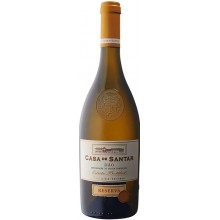
White Dão wine: fresh Portuguese white from mountain terroir
White wines from the Dão region: indigenous Portuguese varieties
The Dão region of Portugal produces distinctive white wines in a demarcated wine area in the north-central interior. Its vineyards lie on elevated plateaus, sheltered by three granite mountain ranges: Serra da Estrela, Serra do Caramulo, and Serra da Nave. This setting creates a temperate climate largely protected from direct Atlantic influence, with abundant winter rainfall and long, warm, dry summers that shape the character of the region’s white wines.
The rivers Mondego and Dão cross this mountainous landscape, supporting vineyards planted on mineral-rich slopes. The distinction worth making here is that Dão combines inland ripeness with notable freshness, rather than producing whites driven solely by either richness or sharp acidity.
Dão’s terroir: granite mountains and temperate climate
Away from strong coastal influence, grapes can reach full ripeness while retaining natural acidity. Winters are wet, whilst summers remain consistently warm and dry: conditions particularly favourable for balanced white grape cultivation. Granite-based soils contribute a marked mineral line, giving structure beneath the fruit profile and helping to define the region’s style.
When selecting between regions, the key factor that separates Dão from many other Portuguese white wine areas is this combination of altitude, granite, and shelter. In practice, the choice comes down to whether you are looking for freshness with texture, rather than overt aromatic intensity or pronounced maritime salinity.
White Dão wine grapes: Encruzado and traditional varieties
Dão’s indigenous grape varieties form the foundation of its white winemaking identity. Encruzado is the principal variety and remains the benchmark for the region: it typically offers citrus, orchard fruit, restrained floral notes, and steady natural acidity. It is best suited when you are looking for a white with poise, moderate body, and the capacity to develop further complexity with a few years in bottle.
The region also produces wines from other traditional white grapes, often in blends that support Encruzado’s core profile with additional aroma, texture, or lift. Dão is still primarily known for red wine, which accounts for the greater share of production, but that distinction has helped focus attention on white wines with clear regional definition rather than broad volume.
Tasting profile: fresh fruit, crisp acidity, and light to medium body
White Dão wines are made exclusively from white grape juice and generally present a refreshing, precise style. Typical tasting notes include fresh citrus, pear, white peach, and subtle mineral tones: the overall impression is crisp, elegant, and controlled rather than heavy. The key factor that separates these wines from fuller white styles is their balance between fruit, acidity, and a lightly textured palate.
If there is one criterion to hold onto, it is versatility. These wines are best suited when you are looking for an aperitif, a spring or summer table wine, or a bottle that can accompany food without dominating it. Serve most examples at around 8 to 10°C for younger, lighter styles, and closer to 10 to 12°C for more textured or oak-influenced bottles.
Best suited for:
- Light seafood dishes and simply prepared fresh fish
- Fresh cheeses and vegetable-based starters
- Spring and summer meals
- Informal dining where freshness and balance matter most
White Dão wines pair especially well with cuisine that mirrors their restraint and clarity. In practice, the choice comes down to grilled fish, shellfish, salads, rice dishes, and soft cheeses, rather than heavily spiced or richly sauced plates. Typical price ranges vary, but many reliable examples sit in the accessible mid-range, while top Encruzado-based wines can justify cellaring for three to seven years, and occasionally longer.