Bairrada wines from Portugal: red, white and rosé
Bairrada wine region: native grapes and Portuguese varieties
The Bairrada wine region, within Portugal’s Beiras, is one of the country’s most distinctive wine-producing areas. Its long viticultural tradition is shaped by Atlantic-influenced vineyards, where native Portuguese varieties thrive alongside a limited number of international grapes. This combination gives the region a clear identity: Baga, its signature red grape, yields wines with marked tannin and notable ageing potential, whilst native white grapes such as Bical bring crisp acidity and mineral precision.
When selecting a Bairrada wine, the distinction worth making here is between bottles rooted in traditional terroir and those shaped by a more contemporary winemaking approach. The region’s temperate maritime climate supports a balance between fruit ripeness and structural freshness. In practice, the choice comes down to whether you are looking for youthful fruit and immediacy or firmer structure with greater development in bottle.
Red wines from Bairrada: understanding the Baga grape and tannins
Red wine remains central to Bairrada’s identity, with Baga as the defining variety. The key factor that separates Bairrada reds from those of other Portuguese regions is Baga’s natural profile: firm tannins, red-fruit aromatics and pronounced acidity that reward patience. In youth, these wines tend to show cherry, cranberry and wild berry notes; after 5 to 10 years in bottle, they often develop leather, tobacco leaf and earthy complexity.
Reserve and Garrafeira designations usually indicate longer maturation and stronger cellaring potential, which is useful when selecting between more immediate wines and bottles intended for ageing. Some producers also work with Cabernet Sauvignon and other international grapes, creating blends that retain regional character whilst shifting the texture and aromatic profile. If there is one criterion to hold onto, it is the tannin structure: this is what defines whether a Bairrada red is ready to drink early or best left to evolve.
White and rosé wines from the Bairrada region
White wines form an important part of the region’s production, spanning dry styles, some off-dry examples and more structured reserve bottlings. Bical is the principal native white variety and typically shows lime, white peach and subtle herbal notes with a mineral backbone. Maria Gomes offers a softer alternative, with gentler acidity and more overt stone-fruit character, best suited when you are looking for freshness and early drinking rather than extended ageing.
Rosé wines from Bairrada sit between the fruit profile of reds and the freshness of whites, taking flavour from short skin contact with red grape varieties. They are well suited to lighter poultry dishes, grilled fish, shellfish and summer dining. The distinction worth making here is that the region’s maritime climate helps even rosé retain enough acidity to function well at the table, rather than serving only as an aperitif style.
Reserve, Garrafeira and Colheita designations explained
Portuguese classification terms help clarify ageing and style within Bairrada. Reserva generally indicates a wine with extended maturation and a higher qualitative standard, whether assessed through alcohol level, tasting panel criteria or both. Garrafeira refers to a more mature category, associated with longer ageing in cask and bottle before release.
Colheita means the wine comes from a single vintage, allowing the producer to highlight the character of a particular harvest year. In practice, the choice comes down to intended use: Colheita for vintage expression, Reserva for added structure and complexity, and Garrafeira for more evolved profiles and longer cellaring potential. When selecting between regions or styles, these terms remain useful benchmarks.
Bairrada wine producers and quinta selections
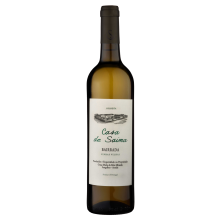
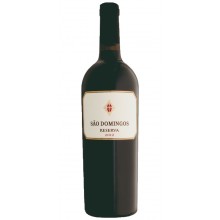
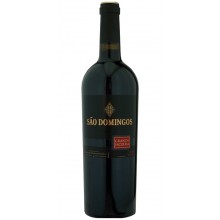
The region includes a varied producer landscape, from long-established quintas to smaller family-run wineries, each offering a different reading of Bairrada’s character. Casa de Saima, São Domingos, Campolargo and Kompassus are among the names most often associated with the region, producing both traditional and more modern styles. When selecting between producers, the key factor that separates one from another is house style: some favour firmer, classic Baga expression, while others aim for earlier accessibility and polished texture.
Producer choice works best as a secondary criterion after grape, designation and occasion. If there is one criterion to hold onto, it is consistency across vintages, as this gives a clearer sense of whether a quinta suits your preference for structure, fruit profile or ageing potential. The same logic applies as for Douro reds or Vinho Verde whites: familiarity with a producer often becomes the most practical guide to future selections.