Ribatejo red and white wines at competitive prices
Understanding Ribatejo red and white wine production
Diversity of soils and climates, combined with large vineyards and low production costs, are among Ribatejo’s defining features. This fertile region, known historically for high yields that once supplied the domestic market and the former Portuguese colonies in Africa, now produces red and white wines with a strong value profile. The distinction worth making here is that Ribatejo’s production model does not necessarily sacrifice quality for volume: the region can offer refined wine styles at accessible prices, making it well suited when you are looking for an introduction to Portuguese wine without moving immediately into premium categories.
How to select a red wine from Ribatejo
Ribatejo reds cover a broad stylistic range, from lighter, fruit-led wines to fuller and more structured examples. In practice, the choice comes down to your preference for body, tannin, and flavour concentration: younger reds tend to show fresh red and black fruit, whilst more mature bottles develop notes of spice, leather, and dried herbs.
For everyday meals, lighter styles are often best suited when you are looking for flexibility and ease of drinking. For roast meats or richer dishes, the key factor that separates one bottle from another is usually the degree of structure and oak influence rather than simple age alone.
How to select a white wine from the Ribatejo region
White wines from Ribatejo are generally defined by freshness, moderate aromatics, and straightforward balance. Typical flavour markers include citrus, orchard fruit, and white flowers, sometimes with a subtle mineral edge depending on soil type and cellar approach.
When selecting between regions for white wine, Ribatejo is often best suited when you are looking for something reliable, food-friendly, and moderately priced. These wines work particularly well as aperitifs, with seafood, grilled fish, salads, and lighter poultry dishes.
Rosé wines from Ribatejo
Ribatejo rosés sit between the freshness of white wine and the gentle fruit character of red wine. They are usually dry or near-dry in style, with notes such as strawberry, watermelon, and soft floral tones.
In practice, the choice comes down to occasion and serving style. These wines are best suited when you are looking for a bottle for warm weather, informal meals, Mediterranean dishes, or charcuterie, served cool at around 10–12 °C.
Ribatejo wine terroir and harvest character
The region benefits from varied climatic influences and a wide range of soils, which support consistent production from one vintage to the next. Soil diversity can shape the final profile of the wine: sandy sites often give lighter, more aromatic expressions, whilst clay-rich areas may produce wines with greater body and structure.
If there is one criterion to hold onto, it is that Ribatejo combines fertile land with efficient production and stylistic variety. This often translates into dependable wines with clear regional character, but without the pricing pressure seen in smaller or more restricted appellations.
Notable Portuguese wine producers in Ribatejo
Several established producers help define the region’s identity and style. Their wines offer useful benchmarks when comparing Ribatejo with other Portuguese regions.
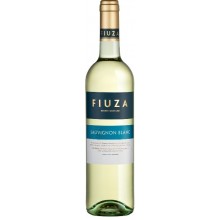
- Fiuza: known for polished winemaking and a broad range of approachable styles.
- Casaleiro: associated with accessible wines that reflect regional consistency.
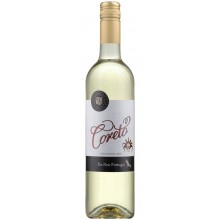
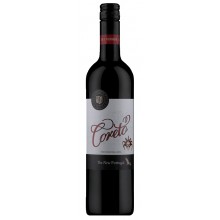
- Coreto: offers varied expressions across different wine colours and styles.
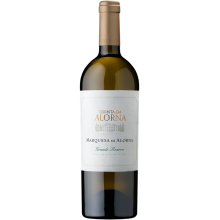
- Quinta da Alorna: often noted for more distinctive bottlings linked to vineyard character.
Ribatejo wine pairing and serving guide
Ribatejo red wines pair well with grilled meats, stews, roast dishes, and aged cheeses. White wines are generally better suited to seafood, poultry, rice dishes, and lighter preparations, whilst rosé works effectively with salads, charcuterie, and Mediterranean cuisine.
Serving temperature remains essential: reds at 16–18 °C, whites at 8–10 °C, and rosés at 10–12 °C. The key factor that separates a successful pairing from a less convincing one is matching the wine’s weight and texture to the intensity of the dish.
Choosing Ribatejo wine with confidence online
When selecting between regions online, Ribatejo offers a clear advantage for comparison because its style spectrum is broad and its pricing is usually straightforward. The distinction worth making here is that the region is less about rarity and more about informed choice: you can compare producer style, grape composition, vintage, and serving use without relying on prestige alone.
In practice, the choice comes down to four criteria: region, grape variety, occasion, and food pairing. If there is one criterion to hold onto, it is that Ribatejo is best suited when you are looking for dependable Portuguese wines with accessible pricing, clear style differences, and strong everyday versatility.