Setúbal wine region: red Castelão and Moscatel fortified wines
The Setúbal wine region: geography and terroir of the Portuguese peninsula
The Setúbal wine region occupies a distinctive peninsula south of Lisbon, bordered by the Atlantic Ocean to the west and the Tagus and Sado rivers to the north and east. This position creates a coastal climate that shapes the region’s wines with notable freshness, even under Mediterranean influence. Setúbal has long held an important place in Portuguese wine heritage, with vineyard plantings established across the peninsula over centuries.
Red wines and Castelão: the foundation of Setúbal wine production
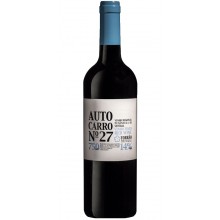
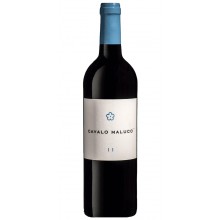
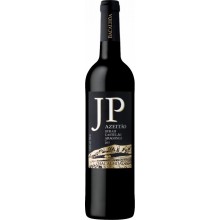
Castelão is the defining red grape of the Setúbal wine region. It performs particularly well in the peninsula’s sandy soils and warm climate, producing reds with supple structure and ripe red-fruit character: plum, cherry, dried herbs and occasional spice. The distinction worth making here is that Setúbal reds are often more approachable in youth than many inland Portuguese styles, which makes them well suited to everyday drinking and to food pairing with grilled meats, roast dishes and coastal cuisine.
Moscatel: Setúbal’s signature fortified wine and national heritage
Moscatel is the region’s signature fortified wine, and it is the style most closely associated with Setúbal’s identity. Typically amber to golden in colour, it shows concentrated aromas and flavours: orange peel, apricot, raisin, honey, caramel and spice. If there is one criterion to hold onto when exploring Setúbal wines, it is that Moscatel remains the clearest expression of the region’s historic prestige.
In practice, the choice comes down to style and occasion: younger examples are more vivid and aromatic, while older bottlings develop deeper oxidative notes and greater complexity. This is a wine best suited when you are looking for an aperitif, a partner for pâté or blue cheese, or a match for traditional Portuguese desserts. Serve it slightly chilled, around 10–12°C.
White wines and alternative varieties from the Setúbal region
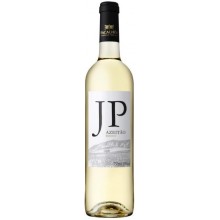
Beyond reds and Moscatel, the Setúbal region also produces white wines from Portuguese grape varieties such as Fernão Pires. The maritime influence helps preserve acidity, giving these wines a fresher profile: citrus, orchard fruit and, in some cases, a saline or mineral edge. When selecting between regions or styles, the key factor that separates these whites from the reds is their lighter body and more direct freshness.
They are best suited when you are looking for daytime drinking, seafood pairings or lighter meals. In practical terms, grilled fish, shellfish, salads and soft cheeses are the most natural matches, and serving temperatures around 8–10°C tend to show them at their best.
Tourism and wine experiences on the Setúbal peninsula
The Setúbal peninsula also lends itself well to wine tourism, combining vineyard visits with Atlantic scenery, historic towns and a strong local food tradition. Visitors often explore producers alongside nearby coastal landscapes, where seafood and regional cooking provide a clear context for the wines. The distinction worth making here is that Setúbal is not only a fortified-wine destination, but a region where geography, gastronomy and wine are closely linked.