Alentejo wines from southern Portugal: red, white and rosé
The Alentejo is one of the largest wine regions in Portugal. Vast plains, broken by low hills, create a landscape well suited to viticulture, and the region’s warm, dry climate is central to its style. Over recent decades, sustained investment in vineyards and cellars has helped Alentejo wines gain strong international recognition. Today, this southern Portuguese region produces some of the country’s most distinctive Portuguese wines, across red, white and rosé styles.
Why choose Alentejo wines
The distinction worth making here is that Alentejo’s climate and soils work together to produce wines of consistent character. Warm conditions encourage reliable ripeness, while varied soils, from clay to limestone, bring differences in texture and structure: some wines show breadth and soft fruit, others more tension and mineral definition. Modern winemaking sits alongside traditional practices such as talha ageing, giving the region both technical precision and a clear sense of identity.
Red wines from the Alentejo region
Red wine remains the dominant style in Alentejo. The key factor that separates these wines is often the balance between ripe fruit and structural depth: Aragonez typically brings dark berry fruit and generosity, while Touriga Nacional contributes lift, floral notes and ageing potential. Alicante Bouschet and Trincadeira add colour, spice and firmness, and many of the region’s strongest wines come from blends rather than single varieties.
In practice, the choice comes down to the style you prefer. Some Alentejo reds are best suited when you are looking for full-bodied, fruit-led wines for grilled meats or hearty dishes, while others offer more nuance and can develop well over five to ten years. Serve most examples at 16 to 18°C, particularly if the wine has spent time in oak.
White wines from Alentejo
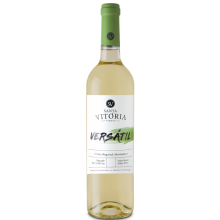
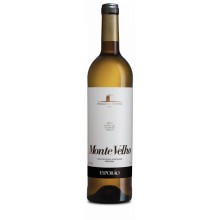
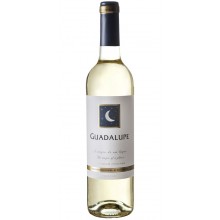
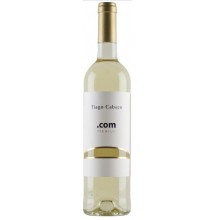
Alentejo whites are often defined by ripe fruit, measured freshness and a broad texture. Roupeiro is one of the region’s reference grapes and can show citrus, orchard fruit and a lightly mineral edge, while Antão Vaz tends to give weight, aromatics and good structure. Manteúdo contributes subtle texture and restraint, which is especially useful in blends.
When selecting between styles, the key distinction is between youthful, stainless-steel expressions and richer whites with more body. Many are well suited to fish, poultry and rice dishes, and the best examples combine flavour concentration with enough acidity to remain precise. Serving them at 8 to 10°C usually gives the clearest balance.
Rosé wines and specialty Alentejo selections
Rosé forms a smaller part of the region’s production, yet it is an important category for understanding Alentejo’s range. These wines often show ripe red fruit, soft texture and moderate freshness: in practice, they suit simple food pairings, warm-weather drinking and informal meals. Their character is usually more generous than sharply mineral.
Beyond the main categories, Alentejo also includes traditional talha wines and modern blends that explore less standard approaches. If there is one criterion to hold onto, it is that the region’s warm climate shapes all styles, but winemaking decisions determine whether the result feels immediate and fruit-driven or more layered and age-worthy.
Subregions and geographic distinctions within Alentejo
The Alentejo includes several recognised subregions, each with its own conditions. Portalegre, in the north, benefits from higher altitude and comparatively cooler temperatures, often producing wines with greater freshness, firmer structure and better ageing potential. Évora expresses a more classical central Alentejo profile: ripe fruit, warmth and generous body.
Borba and the more southerly areas generally continue this fuller style, though soil differences still matter. When selecting between regions, consider whether you prefer the relative freshness and tension of northern Alentejo or the broader, riper expression found further south. The distinction worth making here is regional climate first, grape variety second.