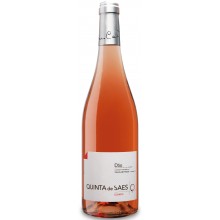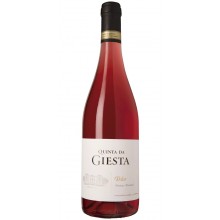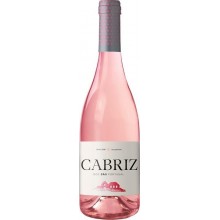
Rosé wines from Dão region in Portugal | Wine House Portugal
Understanding Dão rosé wine
Dão rosé offers a distinctive expression of one of Portugal’s most established inland wine regions. These wines are typically dry and fresh, balancing delicate fruit with a fine mineral edge: a style best suited when you are looking for warm-weather drinking and versatile food pairing. Strawberry and cherry notes are common, shaped by a temperate mountain climate and predominantly granite soils.
The Dão region and its terroir
Dão lies in north-central Portugal, sheltered by granite mountain ranges and crossed by the Mondego and Dão rivers. The distinction worth making here is between freshness and ripeness: the region’s temperate conditions, with wet winters and warm, dry summers, allow rosé wines to retain natural acidity while developing clear fruit expression.
Much of the vineyard area sits on elevated plateau land, away from direct Atlantic influence. In practice, the choice comes down to whether you prefer rosé with tension and mineral precision or a broader, fruit-led style: Dão generally leans towards the former, with long growing seasons supporting subtle complexity rather than overt richness.
Grape varieties in Dão rosé wine
Indigenous grape varieties define the character of Dão rosé. The key factor that separates one style from another is the blend composition, as each grape contributes differently to colour, aroma and structure.
- Touriga Nacional: brings structure and cherry notes to rosé blends
- Tinta Roriz: adds depth and natural colour
- Jaén: contributes a fresh, fruity profile
- Alfrocheiro Preto: delivers delicate aromatics and bright pink hues
- Encruzado: occasionally included for balance and mineral expression
Because Dão is historically focused on red wine, rosé production benefits from a well-developed understanding of these varieties. When selecting between regions, this matters: Dão rosé often shows more structure and definition than simpler, purely fruit-driven examples from warmer areas.
How Portuguese rosé wine is made
Rosé wine, known in Portugal as Rosado, sits stylistically between red and white wine. It takes colour from limited contact with red grape skins, but without the full tannic frame of red wine: the result is a dry, fresh style with shades ranging from pale salmon to vivid strawberry pink.
Three methods are commonly used for Dão rosé. Skin contact keeps black-skinned grapes in contact with the juice for a short period, usually one to three days, building colour and aromatic detail. The Saignée method draws off lightly coloured juice early in red wine fermentation, often producing a fuller rosé. Vin Gris involves immediate pressing with almost no maceration, giving the palest and most delicate expression.
If there is one criterion to hold onto, it is that the production method shapes texture as much as colour. Pale Vin Gris styles tend to be lighter and more incisive, while skin-contact or Saignée rosés can show more body, deeper fruit and greater suitability at the table.
Selecting and tasting Dão rosé wine
When selecting a Dão rosé, focus first on freshness, fruit profile and intended occasion. Younger bottles usually show vibrant strawberry and cherry notes, making them best suited when you are looking for aperitif service, summer lunches or simple seafood dishes. Bottles with a little additional time in bottle may gain savoury and mineral nuance, though most are intended for early drinking.
Serving temperature matters. In practice, the choice comes down to precision versus softness: around 8 to 10°C preserves lift and acidity, while slightly warmer service can reveal more texture and subtle floral tones.
The key factor that separates a strong Dão rosé is balance between delicate fruit and clean acidity. Typical tasting notes include strawberry, cherry and citrus, sometimes with stone fruit, floral hints or a stony finish: the wine should feel crisp and composed rather than broad or heavy.
For food pairing, Dão rosé works particularly well with fresh seafood, salads, grilled vegetables and light poultry dishes. The same logic as for other high-acid rosés applies here: wines with more mineral tension suit simpler dishes, while fuller styles can handle richer textures and more assertive seasoning.
Portuguese rosé wines from Adega producers
Rosé wines from cooperative and independent Adega producers in Dão often reflect the region’s traditional strengths: freshness, varietal definition and a measured use of extraction. The distinction worth making here is not producer size, but style: some wines lean towards pale, delicate Vin Gris profiles, while others show more colour, structure and gastronomic breadth.
When selecting between bottles, organise the choice around taste, occasion and pairing rather than format. A lighter, pale rosé is best suited when you are looking for informal drinking or seafood service, while a more structured example will suit poultry, rice dishes or a mixed table where versatility matters.