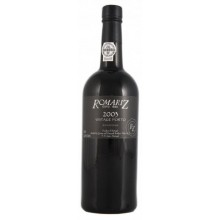
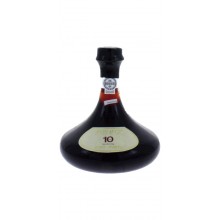
Romariz Port wine from Portugal: vintage and classic selections
Romariz Port wine: heritage and production
Founded in 1850 by Manoel da Rocha Romariz, this Port house reflects generations of winemaking expertise within Portuguese tradition. The range is now produced by Taylor’s and stored in Taylor’s lodges under the Romariz label, positioning the brand as a specialist in vintage Port wines and premium selections. Owned by the Fladgate Partnership, Romariz maintains its commitment to authenticity and the cellaring standards that define the finest Port houses.
Understanding Romariz Port wine styles and selections
The distinction worth making here is between the Port wine styles available within the Romariz range, each suited to different drinking occasions and ageing intentions. When selecting between styles, consider whether you are looking for immediate enjoyment or long-term cellar development. The key factor that separates ruby Ports from aged tawnies is the oxidative maturation process: ruby Ports retain their deep red colour and fruit-forward character, whilst tawnies develop complexity through years in wood.
In practice, the choice comes down to your drinking timeline and flavour preference. Ruby Ports deliver vibrant berry, plum, and spice notes with a clean finish, ideal for near-term enjoyment. Tawny Ports, particularly selections aged 10 years or more, offer chocolate, spice, dried fruit, and caramel complexity suited to immediate appreciation. The Romariz Fine Port represents an accessible starting point, whilst vintage Port selections demand patience and provide the greatest ageing potential: typically 20 to 40 years or more.
Ruby, tawny, and Fine Port selections in 75cl bottles
The standard 75cl bottle format is practical when you are looking to build a cellar or compare styles over time. Ruby Ports, the youngest and most fruit-driven expression, show forward berry and plum character with a clean finish. These are best enjoyed within 5 to 10 years and pair naturally with rich desserts or dark chocolate.
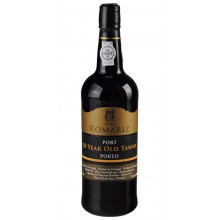
Tawny Ports, aged in wood, develop a lighter amber colour and a nose of dried fruit, spice, and subtle oak. The palate becomes progressively more layered with extended ageing: a 10-year Tawny balances fruit sweetness with spice and nutty complexity in a single glass. Romariz Fine Port offers an approachable introduction to the house style, with supple fruit and a smooth finish.
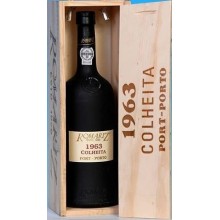
Late Bottled Vintage, or LBV, occupies a middle ground: aged in wood for 4 to 6 years before bottling, it combines some of the structure of Vintage Port with the earlier drinkability of ruby styles. Colheita Ports, by contrast, are single-harvest wines aged for a minimum of seven years in cask, though often much longer in practice. They are best suited when you are looking for wood-aged complexity linked to a specific vintage year, without the same long bottle ageing requirement as declared Vintage Port.
Romariz Vintage Port: depth and ageing potential
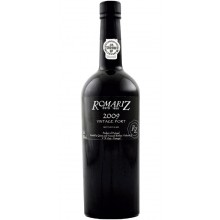
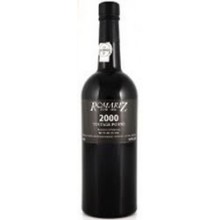
If there is one criterion to hold onto when considering Vintage Port, it is the declaration year. Romariz Vintage Ports are released only in years of exceptional harvest quality, typically three or four times per decade. These unfiltered wines develop sediment over time and reward patience: after 20 years, a mature bottle may show concentrated plum, spice, cocoa, and dried black fruit, supported by firm tannins and a long finish.
Vintage Port requires decanting and a clear cellaring intention. The distinction worth making here is that this style offers the longest ageing arc within the Romariz range, often extending well beyond two decades. Serving temperature also matters: around 16 to 18°C generally gives the best balance between aromatic depth and structure.
Selecting Romariz Port for occasion and cellar
Best suited when you are looking for immediate pleasure, ruby Ports work well with dessert service and informal gatherings. Tawny Ports transition more easily between aperitif and dessert roles, particularly 10-year-old expressions served slightly cool, around 12 to 14°C. They pair naturally with almonds, dried fruit, crème caramel, or aged hard cheeses.
Vintage Ports call for a different approach: these are bottles for significant occasions or for laying down in a serious cellar. LBV is often the more practical choice when you want depth without the full ritual of long ageing and regular decanting. In practice, the choice comes down to how much preparation, ageing time, and bottle development you want from the wine.
The logic of Romariz Fine Port is different again. It suits those discovering Portuguese Port wine or building a selection for regular drinking rather than long-term storage. The same principle applies to LBV: it bridges immediate drinkability and cellar-worthy structure without requiring the same level of patience as Vintage Port.
The heritage of this Port house, rooted in Portuguese winemaking tradition since 1850, provides a useful benchmark when selecting between styles. When selecting between regions and categories within fortified wine, Romariz remains firmly tied to the classic Douro and Vila Nova de Gaia model of production and ageing. If there is one criterion to hold onto, it is style before prestige: ruby for fruit, tawny for cask-aged complexity, and Vintage for long-term development.