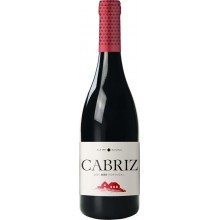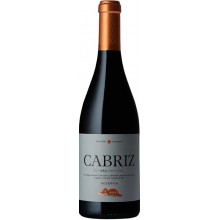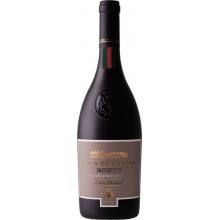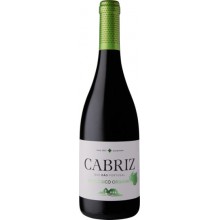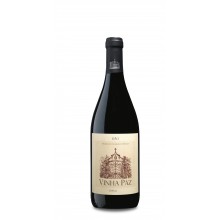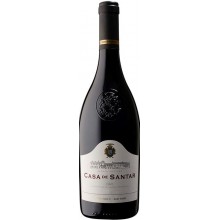
Red wines of Dão: Portuguese wine from 75cl bottles
Red wine from Dão: geography, grape varieties, and terroir
Set between the mountain ranges of Portugal’s Centre region, typically at altitudes of 400 to 700 metres, the vineyards of Dão benefit from a distinctive growing environment. The region’s inland position, sheltered by surrounding mountains, together with its predominantly granite soils, creates the conditions for some of Portugal’s most refined red wine styles.
Dão was the second demarcated wine region in Portugal, officially recognised in 1908. Among its leading red grape varieties are Alfrocheiro, Bastardo, Tinta Roriz, and Touriga Nacional. This combination of native grapes, altitude, climate, and long-established winemaking knowledge gives rise to wines defined by structure, freshness, and precision.
Native grape varieties in Dão wine production
The distinction worth making here is that Dão red wine can be compelling both as a single-varietal expression and as a carefully balanced blend. In each case, the result reflects not only the grape variety but also the region’s granite-based terroir and the producer’s approach in the cellar.
Touriga Nacional is the region’s most recognised red variety, valued for its firm structure, floral lift, and dark fruit character. Alfrocheiro tends to bring elegance, supple texture, and notes of red berries and violet, whilst Tinta Roriz adds body, colour, and spice. Bastardo, though less prominent, can contribute fragrance and finesse when used in blends.
Characteristics of Dão red wine: tasting notes and ageing potential
The key factor that separates Dão reds from many fuller, warmer-climate Portuguese wines is their balance between texture and freshness. Typical tasting notes include red and black fruits: cherry, plum, blackberry, and cassis, often accompanied by floral nuances and a marked mineral line linked to the granite soils.
These wines are usually medium to full-bodied, with polished tannins and steady acidity. When selecting a bottle for ageing, it is worth noting that stronger examples, particularly Reserva styles, can develop well over five to ten years, gaining complexity in the form of dried fruit, spice, cedar, and softer tannic integration. In practice, younger bottles are often best served at 16 to 18°C, whilst more mature examples benefit from brief decanting.
Selecting your Dão red wine: food pairing and serving occasions
When selecting between styles, the choice comes down to whether you prefer a more structured varietal wine or a blend shaped by balance and layering. A Touriga Nacional-led wine is best suited when you are looking for firmer tannins, darker fruit, and stronger ageing potential, whereas blends featuring Alfrocheiro and Tinta Roriz often show more immediate harmony at the table.
When selecting between regions, Dão is particularly suited to those seeking restraint rather than sheer weight. These reds pair well with roast lamb, game, grilled pork, mushroom dishes, and aged cheeses: the acidity keeps the palate fresh, whilst the tannin structure supports savoury depth. If there is one criterion to hold onto, it is that Dão red is best chosen according to occasion—young examples for everyday meals, and Reserva bottlings for slower service and bottle age.