Port Wine: Vintage, Tawny and Ruby from Portugal
In Port wine, the choice turns on three axes: the style of the vintage (ruby, tawny, white, or reserve), the age profile of aged variants (from a 10-year-old tawny through to 20-year or 30-year bottled vintage expressions), and the producer type—established Port house or smaller quinta—that shapes the flavour character. What sets Port apart is not simply the high alcohol content (usually between 19 and 22% vol.) but the particular way that alcohol, ageing method, and regional origin combine to produce a remarkable diversity of drinking experiences. As a fortified wine, Port's alcohol content serves both preservation and flavour development during ageing, enabling the range of styles and intensities that make the category distinctive.
Port wine types: ruby, tawny, white, and vintage styles
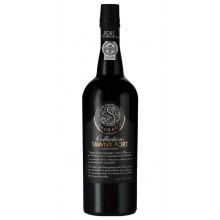
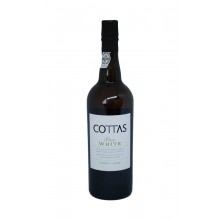
Ruby Port offers bright, fruit-forward character and suits immediate drinking; it is the entry point for many visitors and works well at a casual table or as an after-dinner pour. Tawny Port, by contrast, gains a softer, oxidative character through ageing in wood; a 10-year-old tawny suits an aperitif occasion where younger tawnies bridge casual and contemplative drinking. White Port is the lightest style in the category and works particularly well chilled, often enjoyed with tonic or as a long drink. Vintage Port demands patience: these wines are built for cellaring and reveal their complexity only after years in the bottle, making them the choice for collectors and significant occasions.
Understanding aged Port: year-old tawny and vintage variations
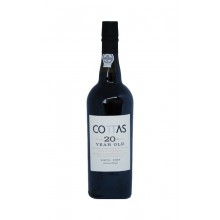
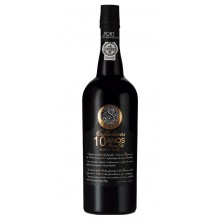
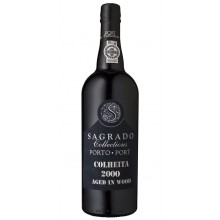
The age designations on tawny Port bottles—10-year, 20-year, 30-year—do not indicate the vintage of a single year but rather the average age of the blend in the cellar before bottling. A 10-year-old tawny Port has spent approximately a decade in wooden cask, developing oxidative complexity and a lighter colour; this represents the most accessible entry point into aged Port. Moving to a 20-year-old tawny, the wine gains deeper nuttiness and silkier tannin integration, a style that suits a longer dinner where the wine carries conversation without demanding attention. The 30-year designation represents the premium tier, where flavour reaches maximum development within the wood before bottling arrests further change. Colheita Port, by contrast, is a single-vintage aged tawny where the year of harvest is declared on the label; this provides a fixed point of reference for ageing potential and lets the collector follow a specific vintage's development over time. Late bottled vintage (LBV) Port bridges the ruby and vintage categories: it is a single vintage aged in wood for four to six years before bottling, offering vintage complexity with earlier drinkability than a declared vintage Port.
Choosing your Port: from late bottled vintage to premium quinta producers
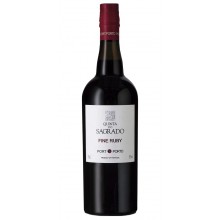
The producer choice between established Port houses and smaller quinta estates represents a genuine fork in the road. Major Port houses—such as Graham's, Taylor's, Fonseca, and Dow's—bring consistency, depth of selection, and decades of blending expertise; they suit a visitor seeking reliable quality across the range and wishing to compare multiple styles side by side. Smaller quinta producers operate differently: each quinta's unique terroir, elevation within the Douro Valley, and individual winemaking philosophy create distinctive character in both bottled vintage and aged variants. Where authentic Portuguese provenance and singular expression matter more than blended consistency, a smaller quinta's Port wine frequently rewards the choice.
As noted above, the age designation is a marker of style as much as of quality; the decision between reserve designations and standard bottlings turns on quality positioning. A reserve-designated Port signals the producer's premium selection and typically commands a higher price in exchange for more considered selection and potentially longer ageing. For a dinner table where the wine must carry conversation without demanding attention, an aged tawny between four and eight years of wood-ageing is the reliable choice; the tannins have settled and the fruit remains present. For an aperitif occasion, I would favour a white Port or a young tawny. For cellaring and significant occasions, a vintage Port from a quinta or established house in which you have confidence is worth the investment.