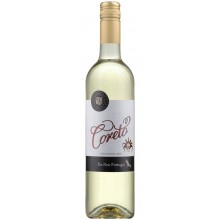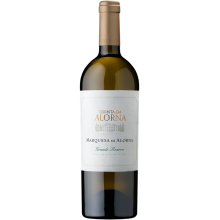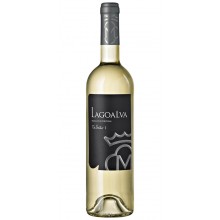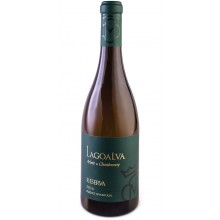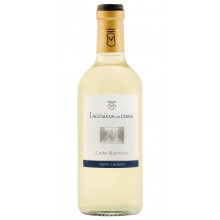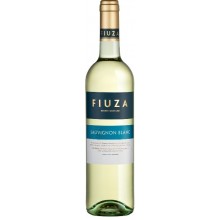
Ribatejo white wines from Portugal: Tejo region guide
The Ribatejo region and the influence of the River Tejo on wine
Ribatejo is a Portuguese wine region in central Portugal, crossed by the Tejo (Tagus) River, the country’s largest river, which gave the region its current identity. In 2009, the regional designation changed from Ribatejo to Tejo in order to strengthen its international recognition. The area is classified as Vinho Regional Tejo (VR), whilst six sub-regions qualify for the highest designation, Denominação de Origem Controlada (DOC), historically referred to as Ribatejo DOC, between Lisbon and Alentejo.
Distinctive white wine production and climate moderation
The Tejo River plays a crucial role in moderating the region’s climate, creating conditions that are more temperate than in many other Portuguese wine-producing areas. Vineyards are planted on fertile alluvial soils along the river, and these conditions contribute to white wines with a richer fruit profile and notable aromatic complexity. This combination of river influence and soil composition has established the former Ribatejo region as a significant source of Portuguese white wine.
White grape varieties of the Tejo region
The principal white grape varieties of the Tejo region include Arinto, Chardonnay, Esgana Cão, Fernão Pires, Malvasia Fina and Malvasia Rei. Additional castas, the Portuguese term for grape varieties, such as Rabo de Ovelha, Sauvignon Blanc, Ugni Blanc and Vital, also perform well in the region’s temperate conditions.
The complete range of white varieties cultivated in the region includes:
- Arinto
- Chardonnay
- Esgana Cão
- Fernão Pires
- Malvasia Fina
- Malvasia Rei
- Rabo de Ovelha
- Sauvignon Blanc
- Ugni Blanc
- Vital
Classification and Tejo wine identity
The distinction worth making here is between the two classification levels available within the region. Wines labelled Vinho Regional Tejo (VR) represent the broader production area, whilst those carrying the DOC designation come from one of six regulated sub-regions and follow stricter production standards. In practice, the choice comes down to whether you are looking for broader stylistic flexibility or a more tightly defined regional expression.
White wines from Ribatejo: pairing and occasions
White wines from Ribatejo are generally fresher and lighter in style than the region’s reds. They tend to show crisp acidity and expressive fruit: citrus, orchard fruit and, in some cases, tropical notes shaped by the Tejo climate. They are best suited when you are looking for wines for spring and summer meals, seafood, salads or an aperitif.
When selecting between Ribatejo white wines, the key factor that separates one bottle from another is usually the combination of grape variety, vintage and production style. Younger releases are typically intended for early drinking and are best served well chilled, around 8 to 10°C, whilst more structured examples or reserva wines can offer greater texture and modest ageing potential over a few years. If there is one criterion to hold onto, it is the occasion: simpler, youthful whites suit informal meals, while fuller styles are more appropriate with richer fish dishes or more formal dining.