Guide to rosé wine from Portugal's Tejo region

The Tejo wine region and rosé production

Ribatejo is a Portuguese wine region crossed by the River Tejo, which later gave the region its current name. The entire area is entitled to use the Vinho Regional designation Tejo VR, while certain zones are classified at the higher Denominação de Origem Controlada level under Ribatejo DOC. This wine region lies between Lisbon and Alentejo. In 2009, Ribatejo officially adopted the name Tejo in order to strengthen the region’s international recognition.

The River Tejo plays an important role in moderating the local climate, making it more temperate than in some other Portuguese wine regions. Vineyards are planted in fertile alluvial soils along the river, a factor that contributes to the profile of Tejo rosé wines: freshness, moderate body, and clear fruit definition. The distinction worth making here is that climate and soil together shape the region’s typical balance of crisp acidity and fresh aromatics.

The region includes six sub-regions entitled to the Ribatejo DOC designation. The principal grapes grown in Tejo include white varieties such as Arinto, Chardonnay, Esgana Cão, Fernão Pires, Sauvignon Blanc, and Ugni Blanc, alongside black-skinned varieties including Cabernet Sauvignon, Camarate, Carignan, Merlot, Castelão, Pinot Noir, Syrah, Tinta Amarela, Tinta Miúda, Touriga Nacional, and Trincadeira. In practice, the choice comes down to how these grapes are blended, as that balance directly influences the colour, acidity, and flavour profile of Tejo rosé wines.

Understanding rosé wine styles and winemaking

Rosé wine, also known as rosado or pink wine, is made from a wide range of grape varieties and may be one of the oldest known wine styles. Its colour can range from pale onion-skin to vivid pink, depending on the grapes used and the production method. When selecting between styles, the key factor that separates them is how long the juice remains in contact with the skins.

Skin contact is one of the primary methods used to produce rosé wine. In this technique, black-skinned grapes are crushed and the skins remain in contact with the juice for a short period, usually from several hours up to one or two days. This contact determines both colour intensity and flavour extraction: shorter contact tends to produce paler, more delicate rosés with marked acidity, while longer contact gives deeper colour and more pronounced fruit and structure.

The Saignée method, from the French for “bleeding”, is used when a winemaker removes part of the juice early in red wine production. The rosé obtained in this way is not merely incidental in style, as it often shows more body, more colour, and a firmer texture than wines made by brief maceration alone. If there is one criterion to hold onto, it is that Saignée rosés are generally best suited when you are looking for more structure at the table.

Vin Gris refers to wines made by pressing red-skinned grapes immediately, with little or no maceration. These wines are typically very pale and delicate, with high acidity and restrained red-fruit notes: think citrus, subtle strawberry, and light floral tones. In practice, the choice comes down to whether you prefer freshness and finesse or a more textured, fruit-forward style.

Tejo rosé wines: tasting notes and selection guide

When selecting between rosé styles from Tejo, the distinction worth making here is between dry wines and off-dry alternatives. Most Tejo rosés are dry or nearly dry, with pale to light salmon colour, crisp acidity, and fresh aromatics. Typical tasting notes include citrus, red berries, and delicate floral undertones: these are wines best suited when you are looking for refreshment and precision rather than sweetness.

The key factor that separates individual Tejo rosé wines is often the chosen winemaking method. Producers emphasising short skin contact generally produce more expressive wines with medium body, while those favouring Vin Gris techniques create lighter, more aromatic examples. In practice, the choice comes down to your preference for flavour intensity, serving context, and food pairing.

Colour alone is not a reliable guide to the character of a rosé. Pale wines may result from Vin Gris production or very short skin contact, while deeper-coloured examples may indicate longer maceration or Saignée methods, often with more structure and broader fruit. The same logic applies in Tejo, although the region’s temperate conditions tend to favour pale to medium rosés with balanced acidity.

Wine pairing with Tejo rosé wines

Dry rosé wines from Tejo pair well with a broad range of dishes. Crisp, pale examples suit seafood, light poultry, salads, and fresh cheeses, while deeper-coloured or fuller-bodied rosés are more at ease with charcuterie, grilled fish, and Mediterranean cooking. When selecting between styles for the table, the key factor that separates them is weight: lighter rosés favour delicate dishes, while more structured examples handle richer textures.

These wines are generally best served lightly chilled, around 8 to 10°C, in order to preserve their aromatics and freshness. If there is one criterion to hold onto, it is that Tejo rosé relies on acidity and fruit clarity rather than sweetness or heaviness. This makes it particularly well suited to spring and summer meals, though stronger examples can also work through the rest of the year.

Tejo rosé: quality standards and grape selection

Tejo wines are designated either as Tejo VR or, in the case of wines from the six recognised sub-regions, Ribatejo DOC. These classifications indicate that the wines follow defined standards concerning origin, permitted grape varieties, and production rules. When selecting between regions and producers, this framework offers a useful benchmark for style and consistency.

Many Tejo producers rely on blends of complementary grape varieties to create balanced rosé wines. International grapes such as Syrah, Cabernet Sauvignon, and Merlot may contribute body and fruit, while Portuguese varieties such as Touriga Nacional, Castelão, and Trincadeira can bring aroma, freshness, or spice. The distinction worth making here is that most Tejo rosés are intended for early drinking, though some better-structured examples can develop further complexity over two to three years.


Filter by
Price
Manufacturers
Filter

Campolargo Baga & Castelão 2019 Red Wine

€12.25
Wine House Portugal ,
5/ 5
<p>Due to its gastronomic versatility, Campolargo Baga and Castelão is the ideal pairing for grilled red meats, roasted poultry, and traditional dishes like Bairrada suckling pig. It also pairs excellently with medium-aged cheeses and sausages and can be found in stores like Portugal Vineyards.</p>
Ccppro5961
Campolargo Baga & Castelão 2019 - Elegant Red Wine
rating 0 review

Quinta da Alorna 2023 Rosé Wine

€5.40
Wine House Portugal ,
5/ 5
<p>The Quinta da Alorna wines are made from a selection of the best grape varieties and produced using the new technologies of vinification.<br />With 220 hectares of vineyards divided into vineyards such as Touriga Nacional, Cabernet Sauvignon, Alicante Bouschet, Arinto and Chardonnay, Quinta da Alorna produces wines with the quality, excellence and competitiveness that national and international markets demand</p>
Qtaro1462
Quinta da Alorna Rosé Wine
rating 0 review
Quinta da Lagoalva 2018 Rosé Wine Quinta da Lagoalva 2018 Rosé Wine
  • Out-of-Stock

Quinta da Lagoalva 2018 Rosé Wine

€5.90
Wine House Portugal ,
5/ 5
<p></p><p>The wines of Quinta da Lagoalva de Cima are the result of the producer's philosophy, of the remarkable characteristics of grape varieties of personality resulting from its microclimate and "terroir"</p>
Qlro1585
Quinta da Lagoalva 2018 Rosé Wine
rating 0 review
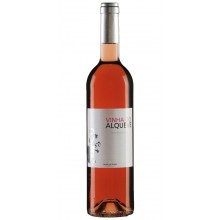
Vinha do Alqueve 2015 Rose Wine Vinha do Alqueve 2015 Rose Wine
  • Out-of-Stock

Vinha do Alqueve 2015 Rose Wine

€6.23
Wine House Portugal ,
5/ 5
<p></p><p>Located in the heart of Ribatejo, Pinhal da Torre is responsible for the production of wines that are distinguished by their quality and elegance and which have come to be the target of the best praise from the specialized critic.<br />Owned by the Saturnino Cunha family, the Pinhal da Torre combines the knowledge and experience of generations dedicated to the vineyard and wine production, to provide unique moments of tasting</p>
Vaqro2834
Vinha do Alqueve 2015 Rose Wine
rating 0 review
Cardal 2017 Rosé Wine Cardal 2017 Rosé Wine
  • Out-of-Stock

Cardal 2017 Rosé Wine

€3.80
Wine House Portugal ,
5/ 5
<p></p><p>The Quinta da Alorna wines are made from a selection of the best grape varieties and produced using the new technologies of vinification.<br />With 220 hectares of vineyards divided into vineyards such as Touriga Nacional, Cabernet Sauvignon, Alicante Bouschet, Arinto and Chardonnay, Quinta da Alorna produces wines with the quality, excellence and competitiveness that national and international markets demand</p>
Card2947
Cardal 2017 Rosé Wine
rating 0 review

Fiuza 2020 Rosé Wine

€4.95
Wine House Portugal ,
5/ 5
<p></p><p>Pioneers in the growing of  French grapes varieties in Portugal, Fiuza &amp; Bright Wines specialized in mono-varietal wines. Nowadays Fiuza produces wines from Portuguese and international grapes with grapes that come from their one estates: Quinta da Requeixada and Quinta da Granja.  The most important red varieties are: Touriga Nacional, Alicante Bouschet, Aragonez, Cabernet Sauvignon, Merlot, Syrah, and the most important white varieteies are: Alvarinho, Arinto, Vital, Fernão Pires</p> <p></p> <p></p>
Fzro3452
Fiuza Rosé Wine
rating 0 review
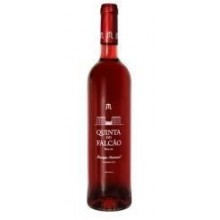
Quinta do Falcão 2013 Rose Wine Quinta do Falcão 2013 Rose Wine
  • Out-of-Stock

Quinta do Falcão 2013 Rose Wine

€3.16
Wine House Portugal ,
5/ 5
<p></p><p>Quinta do Falcão and Quinta da Fonte Bela, the two "Chateaux", of the House, contribute 35 ha of Vineyards exemplarily installed for 25 years along with a portion of surviving Vineyard, almost centennial.</p>
Qfro4070
Quinta do Falcão 2013 Rose Wine
rating 0 review

Comporta Primeiros Bagos 2022 White Wine

€16.90
Wine House Portugal ,
5/ 5
<p>Comporta Primeiros Bagos White Wine is a distinct and vibrant wine that features the Antao Vaz grape variety. It undergoes fermentation in stainless steel tanks at a carefully controlled temperature of 13 °C, a technique that allows the wine to develop its unique flavor profile and maintain its freshness. Following this, the wine is aged on lees for a period of three months, a process that adds complexity and structure to the wine. The result is a white wine that is not only rich in flavor, but also embodies the true essence of its origin.</p>
Qchro4075
Comporta Primeiros Bagos 2022 White Wine - Vibrant & Complex
rating 0 review

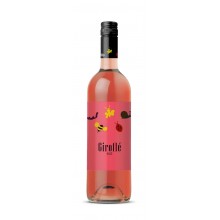
Giroflé 2018 Rosé Wine

€7.58
Wine House Portugal ,
5/ 5
<p></p><p>Giroflé is a brand of portuguese wines</p>
Giro5892
Giroflé 2017 Rosé Wine
rating 0 review

Casa Cadaval 2023 Rosé Wine

€5.65
Wine House Portugal ,
5/ 5
<p></p><p>Situated about 80 kms north of Lisbon, on the left bank of the Tagus River, the Herdade de Muge belongs to the family Álvares Pereirade Mello (Cadaval) almost four centuries ago</p>
Ccro8685
Casa Cadaval Rosé Wine
rating 0 review

Quinta de Vale Veados 2021 Rosé Wine

€10.80
Wine House Portugal ,
5/ 5
<p></p><p>Quinta de Vale Veados Rosé Wine revelas salmon pink colour. Aroma of fresh fruit, herbaceous notes. Balanced palate, fresh, and finishes dry and mineral. Expected longevity of 2 to 3 years.</p> <p></p>
Qvvr9357
Quinta de Vale Veados 2021 Rosé Wine
rating 0 review

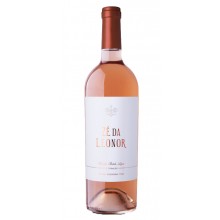
Zé da Leonor 2020 Rosé Wine

€6.99
Wine House Portugal ,
5/ 5
<p></p><p>Casa Agricula Rebelo Lopes is the producer of Ze da Leonor Rose Wine.</p>
ZeLeonorRose9501
Zé da Leonor 2020 Rosé Wine
rating 0 review
arrow_upward