Barão de Vilar Port wine: vintage & aged collections | Wine House Portugal
Barão de Vilar Port wine: family heritage meets modern craftsmanship
Barão de Vilar is the most recent Port wine house established by the Van Zeller family, founded in January 1996. Its founder, Fernando Luís van Zeller, acquired an initial stock of aged Port wines for his sons, Fernando and Álvaro, creating a producer centred on careful selection and firmly rooted in Portuguese wine tradition. The Van Zeller family brings multi-generational expertise in Port production, and each style, from young Reserve wines to rare vintage selections, reflects a disciplined approach to craftsmanship and selection.
The Barão de Vilar Port collection: aged expressions and vintage selections
The collection covers 127 carefully selected Port wines, organised across several styles for both experienced collectors and those beginning to explore fortified wine. The distinction worth making here is between wines chosen for maturity and those chosen for vintage definition. Aged Tawny styles range from an accessible 10 Year Old Tawny to a more complex 30 Year Old Tawny, each shaped by extended oak ageing. Single-harvest Colheita Ports from vintages between 1970 and 2004 allow a more precise reading of decade-specific character, while Late Bottled Vintage (LBV) and Reserva Ruby Port wines offer a different balance of fruit, structure, and immediacy.
Understanding Barão de Vilar Port wine styles: from Tawny to Colheita
Aged Tawny Port: 10 Year, 20 Year, and 30 Year expressions
The distinction worth making here is between age-statement Tawny Port and younger Ruby-based styles. A 10 Year Old Tawny Port shows a softer, more oxidative profile: amber in colour, with dried fruit, toasted nuts, and gentle wood spice. The 20 Year Old Tawny deepens this profile further, with a richer mahogany tone, greater concentration, and a longer, more layered finish. The 30 Year Old Tawny sits at the most mature end of the range, defined by polished oak integration, concentrated dried fruit, and the complexity best suited when you are looking for a contemplative after-dinner wine.
These wines are ready to drink when purchased. In practice, the choice comes down to the level of development you want in the glass: 10 Year for freshness and accessibility, 20 Year for balance and depth, 30 Year for tertiary complexity. Serve them at 14–16°C.
Colheita vintage Port: single-harvest expressions from 1970 to 2004
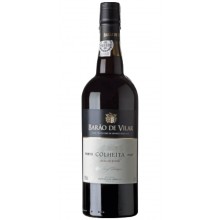
Colheita Port wines are single-harvest Tawnies aged in wood and bottled later, allowing one growing season to remain at the centre of the wine’s identity. Barão de Vilar’s Colheita selection includes vintages such as 1970, 1974, 1982, 1990, 1997, 2001, and 2004, each offering a distinct expression of harvest conditions and ageing trajectory.
When selecting between regions or styles, the key factor that separates Colheita from blended aged Tawny is provenance. Colheita is best suited when you are looking for a specific year, whether for collecting, gifting, or marking an occasion; aged Tawny is better suited to those seeking a consistent house style shaped by blending. Colheita wines often open gradually in the glass, with notes of caramel, orange peel, walnut, and old wood becoming clearer over time.
Reserve Port, LBV and Ruby selections from Barão de Vilar
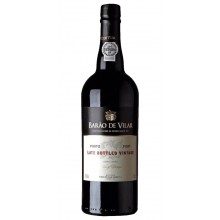
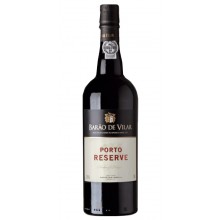
LBV Port occupies the middle ground between youthful Ruby styles and more mature, extended-ageing expressions. It is bottled later than Vintage Port, which gives a rounder texture, softer tannin profile, and generous dark fruit character: blackberry, plum, cocoa, and sweet spice. Reserva Ruby remains the more direct and fruit-led style, with vibrant red and black fruit and enough structure to pair well with chocolate desserts or berry-based tarts.
In practice, the choice comes down to occasion and palate preference. Reserva Ruby is best suited when you are looking for an accessible introduction to Port, while LBV offers more depth without moving into the oxidative profile of Tawny. If there is one criterion to hold onto, it is whether you prefer fresh fruit character or developed, nutty complexity.
Serving and storage guidance for Barão de Vilar Port wines
All Barão de Vilar Port wines benefit from consistent storage conditions: cool, dark surroundings at roughly 12–14°C, with as little temperature fluctuation as possible. Tawny Port is best served slightly chilled at 14–16°C, which preserves aromatic detail and keeps the palate precise. Colheita and older Vintage-style Ports may benefit from around 30 minutes of decanting, particularly if sediment is present.
Most aged Ports continue to evolve in the glass over two to three hours after opening. A standard 75cl bottle will usually pour 6 to 8 servings, which is useful to bear in mind when selecting a bottle for a dinner table, small tasting, or gift. Once opened, Tawny generally holds better than Ruby-based styles over several weeks if kept cool and properly resealed.
Why collectors choose Barão de Vilar: heritage, quality and range
The key factor that separates Barão de Vilar from larger Port houses is its emphasis on curation rather than scale. The Van Zeller family’s long connection with Port informs a range that allows clear stylistic comparison: aged Tawny for oxidative complexity, Colheita for vintage identity, LBV for structured fruit, and Reserva Ruby for immediacy.
When selecting between styles, the choice comes down to purpose. A 10 or 20 Year Old Tawny is often best suited to gifting and table service, while older Colheita bottles appeal more strongly to collectors interested in vintage-specific evolution. Typical price differences broadly follow ageing and rarity, with Reserva Ruby and LBV at the more accessible end, and older Tawny and Colheita bottlings positioned for more considered purchase decisions.