Lisbon wines from Portugal | Premium red, white and rosé
In Lisbon, a region with a long viticultural history and a significant share of Portugal’s vineyard area, you will find a compelling blend of traditional Portuguese grape varieties and widely recognised international grapes. The region produces a broad range of wines, made possible by the diversity of microclimates and relief concentrated across small areas. Sandy soils and Atlantic influence create distinctive conditions that shape each wine’s character and acidity.
Red wines from Lisbon
Lisbon red wines show powerful expressions built around indigenous Portuguese varieties. The distinction worth making here is between single-varietal bottlings and blended expressions: Touriga Nacional features prominently in many premium examples, often joined by Tinta Miúda, Aragonez, Castelão and Roriz to build depth and structure. In practice, the choice comes down to whether you are seeking elegant, age-worthy reserves or more immediate, fruit-forward styles for earlier drinking.
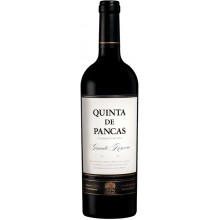
Leading producers such as Quinta de Pancas specialise in Grande Reserva expressions that benefit from extended ageing. These wines often reach their peak between 5 and 15 years from the vintage, depending on blend composition and oak treatment. If there is one criterion to hold onto when selecting Lisbon red wines, it is the producer’s ability to balance Portuguese character with precise modern winemaking.
White wines from the Lisbon region
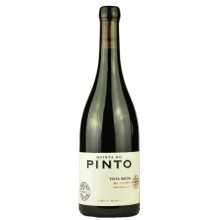
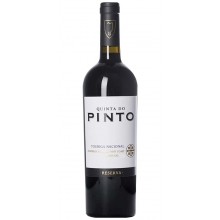
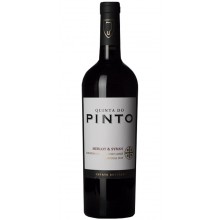
White wine production in Lisbon shows equal versatility. Portuguese varieties such as Arinto and Fernão Pires provide mineral-driven profiles with bracing acidity, whilst international grapes including Sauvignon Blanc, Viognier and Chardonnay bring broader aromatic expression: citrus, stone fruit, white flowers and, in some cases, discreet oak spice. Quinta do Pinto and Quinta da Murta illustrate this dual approach, with both single-varietal wines and carefully composed blends across Clássico and reserve tiers.
These wines are best suited when you are looking for food-friendly whites. They pair particularly well with seafood, light poultry and vegetable-based dishes, and are generally served at 8 to 10°C for the freshest styles or 10 to 12°C for fuller-bodied examples. The key factor that separates premium bottlings from standard releases is usually vineyard selection, with vinification choices such as skin contact and lees ageing playing a secondary but important role.
Lisbon rosé and fortified wines
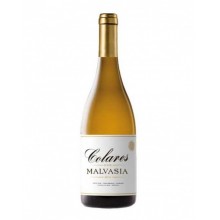
Beyond reds and whites, the Lisbon wine region also produces notable rosé expressions and fortified wines. Carcavelos and Colares represent historic styles shaped by traditional techniques and a strong sense of place, whilst Malvasia appears across several fortified and sweet wine categories, bringing richness balanced by the region’s natural acidity. The distinction worth making here is between fresher rosé wines for early drinking and fortified styles with greater concentration, structure and ageing capacity.
Sub-regions and terroir
Understanding Lisbon’s distinct sub-regions helps clarify the wines you are considering. When selecting between regions, the key factor that separates one style from another is usually the combination of coastal exposure, soil type and local temperature range.
- Colares: historic area for distinctive, age-worthy reds shaped by sandy soils and strong Atlantic influence
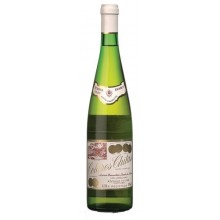
- Bucelas: white wine enclave known for crisp, mineral-driven styles, especially from Arinto
- Carcavelos: fortified wine region producing rich, structured expressions
- Torres Vedras: source of balanced red and white wines with clear regional character
- Oeiras: small but noteworthy area associated with both historical continuity and modern winemaking approaches
Coastal zones benefit from maritime tempering, which preserves acidity and moderates ripeness. Inland areas see greater diurnal temperature variation, which tends to shape fuller texture and firmer structure. If there is one criterion to hold onto, it is that Atlantic proximity usually signals fresher, leaner wines, whilst more sheltered sites tend to produce broader, riper styles.
Grape varieties guide
Lisbon wines rely on a core set of indigenous varieties, each contributing a distinct profile. Touriga Nacional brings structure and ageing potential; Tinta Miúda adds freshness; Aragonez and Castelão contribute body; Roriz often adds spice and firmness. On the white side, Arinto and Fernão Pires offer minerality and aromatic lift, whilst Malvasia contributes textural richness, especially in fortified wines.
International varieties such as Merlot, Syrah, Sauvignon Blanc, Viognier and Chardonnay also appear across the region in blends and single-varietal bottlings. In practice, the choice comes down to style preference: Portuguese-dominant wines express regional identity more directly, whilst international blends often offer immediate approachability and broad food-pairing flexibility. Best suited when you are looking for clearer terroir definition, native grapes remain the more instructive starting point.