Algarve wines from Portugal | Red, white, rosé
Often regarded as Portugal’s tourist centre, the Algarve saw wine production decline sharply as tourism expanded. The region’s wine sector came close to extinction, yet there is now renewed interest and investment behind its revival. Understanding this history matters when selecting Algarve wines: you are choosing from a region that is reclaiming its viticultural heritage.
Red wines from Algarve producers
Red wines form the largest category in the Algarve, with more than 30 selections. Alicante Bouschet is the principal red variety grown across the region, offering structured tannins and dark fruit notes: blackberry, plum and, at times, a savoury herbal edge. These wines are best suited when you are looking for either immediate-drinking reds or bottles with medium-term ageing potential.
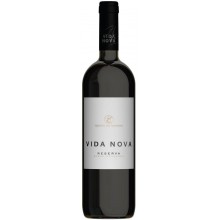
When selecting red wines from Algarve producers, the distinction worth making here is between standard releases and Reserva expressions. Vida Nova’s Reserva reds typically offer greater concentration and longer cellaring potential, whilst Onda Nova and Quinta do Francês tend to emphasise vineyard character and site expression. In practice, the choice comes down to whether you prefer oak-influenced structure or a more direct reading of Algarve terroir.
White wines and Arinto varieties
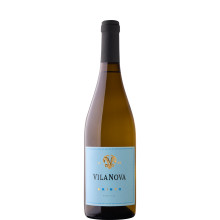
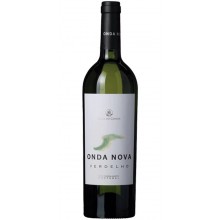
White wines from the Algarve are shaped largely by two grape varieties. Arinto and Verdelho define much of the region’s white wine profile, with around 25 selections available across several producers. Vila Nova is associated with Arinto-led wines that highlight the grape’s natural acidity and citrus profile, whilst Onda Nova works with both varieties in blended expressions.
The key factor that separates these styles is texture and freshness. Arinto-focused wines tend to be crisp and mineral, with lemon, green apple and saline notes, and are often best served at 8 to 10°C. Verdelho-forward blends are rounder and more generous on the palate: stone fruit, tropical hints and a softer finish. When selecting between regions and styles within the Algarve, this is often the clearest white-wine distinction to hold onto.
Rosé wines from leading wineries
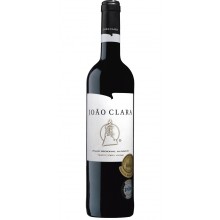
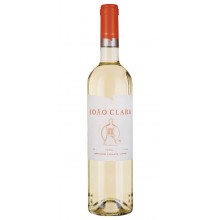
Rosé wines occupy a useful middle ground in the Algarve, with around 12 selections from established estates. João Clara and Vida Nova are particularly associated with rosé production, offering styles that range from dry to slightly off-dry. These wines are best suited when you are looking for versatility at the table, especially with seafood, grilled vegetables or lighter summer dishes.
The distinction worth making here is stylistic rather than varietal. Drier rosés suit aperitif service and simple fish dishes, whilst softer styles can work better with spiced food or informal outdoor meals. In practice, the choice comes down to whether freshness or fruit roundness matters more for the occasion.
Algarve wine regions and terroir
The Odelouca River Valley is one of the most notable wine-producing areas in the Algarve, where established estates cultivate both red and white varieties. Mediterranean conditions combine with coastal influence to shape wines that favour balance over excessive ripeness. The key factor that separates Algarve from hotter inland regions is this moderating effect: it helps preserve freshness, particularly in white wines and rosés.
When selecting between regions, climate is often the most useful benchmark. Algarve wines generally show moderate body, open fruit and approachable structure rather than marked austerity or very high tannin. This makes them well suited to early drinking, though selected reds and Reservas can develop further over a few years in bottle.
How to select Algarve wines
If there is one criterion to hold onto, it is that Algarve wines are best chosen by style, occasion and food pairing rather than by price alone. For reds, Alicante Bouschet and Negra Mole point towards different expressions of body and fruit; for whites, Arinto and Verdelho provide the clearest guide to freshness versus roundness. Typical price ranges are often accessible, but the more useful decision is whether you want an everyday bottle or a more structured wine for a meal.
In practice, the choice comes down to a few clear questions: red or white, crisp or rounded, casual drinking or a bottle with some ageing capacity. Producers such as João Clara, Onda Nova, Vida Nova, Vila Nova and Quinta do Francês each reflect these differences in distinct ways. Use grape variety and intended occasion as your starting point.