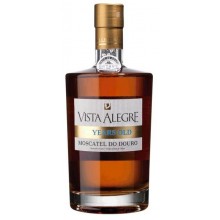
Moscatel wine from Portugal: sweet fortified wines from Setúbal
What makes Moscatel wine distinctive
Moscatel is a fortified wine, made by adding alcohol, whether neutral spirit or brandy, during fermentation to stop sugars from converting fully into alcohol. This produces a wine that is both sweeter and higher in alcohol than a standard table wine. If there is one criterion to hold onto, it is that this fortification shapes the wine’s texture, sweetness, and aromatic intensity.
Moscatel wine regions and grape varieties
Setúbal Moscatel: Portugal's signature sweet wine
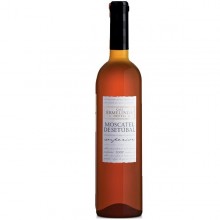
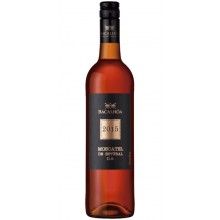
The best-known Moscatel comes from Setúbal, where warm Atlantic influence and limestone soils favour the Moscatel de Setúbal and Moscatel Roxo grape varieties. These wines typically show a golden hue and expressive aromas: orange peel, white flowers, raisins, and dates. The key factor that separates Setúbal from other styles is its richer, more expansive fruit profile.
Douro Moscatel: the Favaios and Alijó distinction
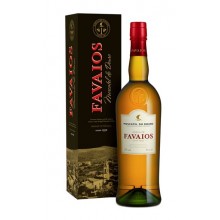
In the Douro, particularly around Favaios and Alijó, Moscatel is usually made from the Moscatel Galego Branco grape. This variety gives wines with a different aromatic profile from Setúbal expressions, shaped by the cooler, higher-altitude conditions of the Douro Valley. The distinction worth making here is that each region expresses Moscatel through its own balance of ripeness, freshness, and structure.
When to serve Moscatel wine: occasions and pairings
Moscatel suits several moments at the table. Its sweetness and warmth make it best suited when you are looking for a dessert wine, yet its aromatic complexity also allows it to work as an aperitif or as a contemplative after-dinner glass. Serve it slightly chilled, around 10–12°C: this keeps the floral notes precise and the fruit character clear.
It pairs particularly well with aged cheeses, almond-based desserts, and dried fruits. When selecting between regions, the choice comes down to style preference: Setúbal tends towards fuller, more opulent fruit, while Douro Moscatel shows brighter acidity and a more marked mineral edge. In practice, this means Setúbal is often better suited to richer desserts, whereas Douro can be more flexible alongside lighter pastries or nuts.