

Cookies Requeridas : Estas cookies son necesarias para facilitar la correcta navegación de nuestra página web y aseguran que el contenido se carga eficazmente permitiendo la correcta utilización de las diferentes opciones o servicios que en ella existan, como por ejemplo el proceso de compra.
Cookies Analitíca : Generan un ID de usuario, que es el que se utiliza para hacer recuento de cuantas veces visita el sitio un usuario. También registra cuando fue la primera y la última vez que visitó la web. Asimismo, calcula cuando se ha terminado una sesión y la fuente de tráfico. Tambien son utilizados para Remarketing, registro de eventos y acciones realizadas por el usuario
Cookies de Marketing : Contienen un valor generado aleatoriamente único que permite a la Plataforma para distinguir navegadores y dispositivos. Esta información es utilizada para medir el rendimiento de los anuncios y proporcionar recomendaciones relativas a productos basadas en datos estadísticos.
ad_user_data : se utiliza para determinar si el usuario da su consentimiento para los fines publicitarios de Google. Esto se establecerá en "concedido" cuando el usuario acepte activamente que sus datos se compartan con Google a través de una interacción de banner de consentimiento.
ad_personalization : Controla si los datos se pueden utilizar para la personalización de anuncios (por ejemplo, para remarketing). Solo se puede configurar como "concedido" cuando los usuarios aceptan específicamente (a través del banner de consentimiento) que sus datos se compartan con Google con el fin de personalizar los anuncios..
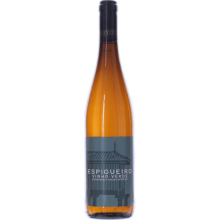
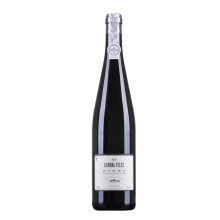
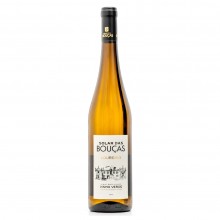
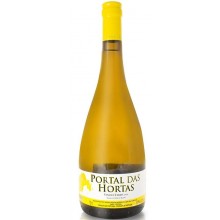
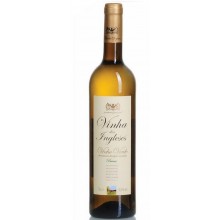
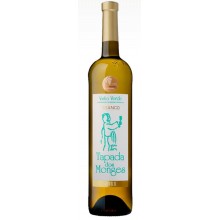
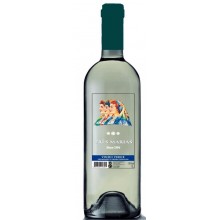
Vinho Verde has origins in the region of Minho, located in the north of Portugal, and is also known as Young Wine, opposite to mature wine and is intended to be consumed immediately after its bottling
This region is dominated by shades of green lush vegetation typical of a region with plenty of moisture. However, the name Vinho Verde is not only due to the surroundings where the vines grow: is this region produces a wine that is typically acidic, light, mildly alcoholic and great digestive properties.


There are 552 products.
 0 review
 0 review
 0 review
 0 review
 0 review
 0 review
 0 review
 0 review
 0 review
 0 review
 0 review
 0 review