Portuguese Wine Packs Online | Red, White & Regional Selections
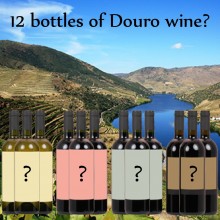
Portugal's wine regions each express a distinct character: the Douro Valley delivers bold reds and complex whites; Dão produces elegant, age-worthy bottles; Alentejo offers fruit-forward styles suited to everyday drinking. Regional wine selections are best understood through these differences in structure, ripeness, and overall tasting profile. In practice, the choice comes down to whether you prefer power, freshness, or accessibility.
Exploring regional Portuguese wine selections
The distinction worth making here is that each Portuguese wine region has developed its own grape varieties and winemaking traditions. Douro reds commonly rely on blends built around Touriga Nacional and Touriga Franca; Dão whites often centre on Encruzado; Alentejo is known for accessible, fruit-led wines across several styles. Tasting by region is one of the clearest ways to understand Portugal's vineyard landscape.
Red wine, white wine, and rosé selections explained
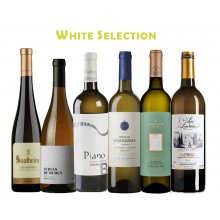
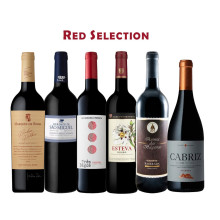
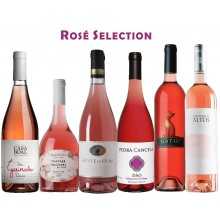
Portuguese red wines range from structured, age-worthy Reserva bottles to softer styles intended for earlier drinking. White wines span light, aromatic Vinho Verde to more complex Dão expressions suited to the table: citrus, orchard fruit, mineral notes, and measured texture are common reference points. Rosé offers freshness and versatility, particularly in warmer months or for lighter meals.
If there is one criterion to hold onto, it is that style should guide the selection. Red wines are often best suited when you are looking for depth and colder-weather pairings; whites suit seafood, salads, and grilled dishes; rosé sits comfortably between the two for informal meals and summer occasions.
Choosing between 6- and 12-bottle wine packs
The key factor that separates case formats is consumption pace and storage. A 6-bottle case suits those comparing regions or maintaining greater variety at home, while a 12-bottle case is more practical for regular drinking, shared meals, or laying down a few bottles. When selecting between formats, frequency of use matters more than price alone.
Storage conditions should also be considered: a cool, stable, dark place is preferable, especially for structured reds and Reserva wines. In practice, the choice comes down to whether you are exploring broadly or buying with continuity in mind.
Premium selections and seasonal Portuguese wine offerings
Some Portuguese wines are selected for immediate drinking, while others are chosen for additional complexity and ageing potential. Reserva reds, single-quinta bottles, and stronger vintages generally show greater concentration, firmer tannin, and more development over time: these are often best suited when you are looking for a bottle for a formal meal or a cellar purchase. Everyday selections, by contrast, focus on balance, fruit clarity, and ease of service.
Season also shapes the decision. Lighter whites and rosés tend to suit spring and summer service, while Douro reds, Dão reds, and fuller whites are more comfortable choices for autumn and winter tables.
Port and fortified Portuguese wine selections
Portuguese wine culture extends beyond table wine to fortified styles such as Port, Madeira, and Moscatel. The distinction worth making here is between sweetness, oxidation, and intended use: Port offers richness and structure, Madeira brings savoury complexity and remarkable stability once opened, and Moscatel emphasises aromatic sweetness. These wines are often chosen for dessert, cheese, or after-dinner service.
Port pairs naturally with chocolate desserts, blue cheese, and nuts, while Madeira works particularly well with caramelised dishes and pâtisserie. If there is one criterion to hold onto, it is that fortified wines add a different service moment rather than replacing table wines.
How to choose your Portuguese wine pack
When selecting between regions, begin with structure and freshness. Douro generally suits those who prefer depth, darker fruit, and firmer tannin; Dão is better known for elegance and restraint; Alentejo tends towards ripe fruit and a more immediate style; Vinho Verde is defined by freshness, lightness, and bright acidity. The key factor that separates these regions is not prestige, but profile.
Grape variety can also guide the choice. Touriga Nacional and Touriga Franca often point towards darker, more structured reds, while Encruzado signals a white wine with texture and ageing capacity. Arinto, Loureiro, and Alvarinho are useful benchmarks when you are looking for freshness, citrus definition, or aromatic lift.
Occasion is equally important. For everyday meals, approachable Alentejo reds or fresh whites from Vinho Verde are often the simplest choice; for dinner parties, Douro and Dão usually offer more structure and conversation value; for gifts or formal service, Reserva wines and fortified bottles are the more appropriate direction. Typical serving temperatures remain a practical benchmark: reds at 16–18°C, whites at 8–10°C, rosés at 6–8°C, and most Ports slightly cool rather than warm.
Food pairing should remain the final check. Douro reds suit roast meats and slow-cooked dishes; Dão whites work well with roast fish, poultry, and creamy rice dishes; Vinho Verde is particularly effective with shellfish and salads; Alentejo reds pair comfortably with grilled meats, charcuterie, and everyday Mediterranean cooking. When selecting between regions, the best choice is usually the one that matches the table rather than the occasion alone.