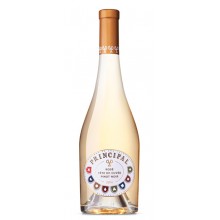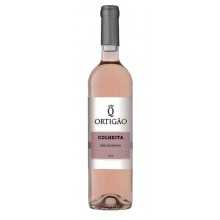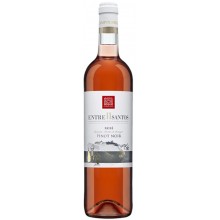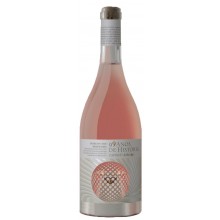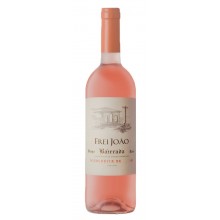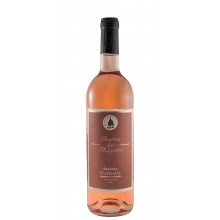
Bairrada rosé wines: Portuguese rosé wine from Atlantic vineyards
Bairrada is a Portuguese wine region in the Beira province, bordered to the north by Lafões and to the east by Dão. It holds DOC status and lies close to the Atlantic Ocean, whose maritime influence moderates ripening and preserves acidity in the grapes. The name “Bairrada” derives from barros (clay), a reference to the region’s clay-rich soils: a defining terroir element in the style of its wines.
Officially classified in 1979, Bairrada is recognised for deeply coloured, firm red wines, often marked by notes of blackcurrant and a herbal edge reminiscent of bell pepper. It is also increasingly noted for rosé. The distinction worth making here is that the same Atlantic influence that supports freshness in whites also gives rosé from Bairrada its tension and clarity.
The region benefits from Atlantic conditions combined with sufficient sun exposure to bring grapes to full maturity. In practice, the choice comes down to grape variety and winemaking approach rather than climate alone. Red grapes include Baga, Alfrocheiro, Camarate, Castelão, Jaen, Touriga Nacional and Aragonez, while the principal white grapes include Maria Gomes, Arinto, Bical, Cercial, Rabo de Ovelha and Verdelho.
Understanding Bairrada rosé wines: colour, character and grape varieties
Rosé, or Rosado, is produced from black-skinned grapes with limited skin contact, giving colour without the full structure of red wine. Its colour can range from pale salmon to vivid pink or even light purple: this depends on both grape variety and extraction. If there is one criterion to hold onto, it is that deeper colour often signals more texture and a broader palate.
Skin contact is the most common method. The grapes are crushed and the skins remain with the juice for a short period, usually between one and three days, contributing colour, aroma and a light tannic frame. This style is best suited when you are looking for rosé with bright fruit, clear freshness and moderate structure.
The Saignée method, meaning “bleeding”, produces a different profile. Juice is drawn off early from red-wine fermentation, which concentrates the remaining red wine and yields a rosé with more colour, more body and firmer grip. The key factor that separates this style from lighter rosé is structural weight: expect riper berry fruit and greater suitability for food.
Vin Gris follows a lighter path. Here, red-skinned grapes are pressed almost immediately, with little or no maceration, resulting in very pale wines with delicate aromatics and minimal phenolic extraction. When selecting between regions or styles, this is the expression to consider if you prefer subtle fruit and a finer, more restrained finish.
When selecting Bairrada rosé wine: terroir, grape and winemaking style
Rosé from Bairrada reflects the region’s Atlantic setting with particular clarity. You can generally expect crisp acidity, red-berry fruit and a dry profile, often with a savoury edge that makes the wines especially adaptable at the table. The distinction worth making here is between wines shaped primarily by freshness and those built for more texture and depth.
Baga is the key grape to note. In rosé, it can bring lively acidity, cranberry and wild strawberry notes, and at times a gentle herbal tone; other varieties may soften or round out the blend. The key factor that separates one bottle from another is often whether Baga is used alone or supported by grapes such as Touriga Nacional or Castelão.
In practice, the choice comes down to occasion and pairing. Lighter, paler examples are best suited when you are looking for an aperitif wine, or for dishes such as grilled fish, salads and simple shellfish. More structured rosés, especially those made by Saignée, are better suited to charcuterie, roast poultry, tomato-based dishes or richer summer meals.
Serving temperature also matters. Most Bairrada rosés show best at around 8 to 10°C, where the acidity stays precise and the fruit remains defined. As a general benchmark, they are usually intended for early drinking rather than long ageing, though the firmer examples can hold their shape for two to three years.
Typical pricing is moderate by Portuguese standards, with many well-made examples found in accessible to mid-range brackets. When selecting between regions, Bairrada is worth considering if you want rosé with more backbone than many very pale, purely fruit-led styles. That balance of freshness, structure and food compatibility is what most clearly defines the region.