Premium Portuguese extra virgin olive oil | Wine House Portugal
Portuguese olive oil stands among the finest in the world, recognised for its exceptional quality and distinctive character. The distinction worth making here is that every oil in this selection carries the Virgem Extra classification, Portugal’s highest quality standard. This commitment to premium production reflects the heritage and expertise of the quintas and producers represented here.
When selecting between olive oil options, you will encounter two primary decision criteria: regional origin and certification tier. In practice, the choice comes down to understanding what each region offers and whether you are looking for certified organic production or premium standard expressions.
Understanding Portuguese extra virgin olive oil quality
Extra virgin olive oil from Portugal meets rigorous standards for acidity, flavour, and production method. The Virgem Extra designation indicates that the oil has been cold-pressed from selected olives with minimal processing, preserving the natural polyphenols and antioxidants that define superior quality. If there is one criterion to hold onto regarding Portuguese oils, it is this: quality begins at harvest and ends in the bottle.
The key factor that separates Virgem Extra oils from lower classifications is sensory profile combined with chemical analysis. You will find that Portuguese extra virgin olive oil typically shows fruity and fresh characteristics: varying degrees of herbaceous notes, almond skin bitterness, and a peppery finish, depending on harvest timing and regional conditions. Acidity levels remain below 0.8%, a benchmark that distinguishes premium oil from more ordinary alternatives.
Selecting olive oil by region and flavour profile
Portugal produces distinctive olive oils across several regions, each shaped by climate, soil, and traditional growing methods. When selecting between regions, the key factor that separates one style from another is the balance between ripe fruit, bitterness, and peppery intensity.
Alentejo and Trás-os-Montes: distinctive regional characteristics
Alentejo olive oil benefits from the region’s warm Mediterranean climate, producing oils with ripe, rounded fruit and a smooth palate. The longer growing season allows olives to develop full flavour complexity: soft green herbs, sweet almond notes, and gentle spice. These oils are best suited when you are looking for finishing applications, bread dipping, or drizzling over soups and traditional Portuguese dishes.
Trás-os-Montes, by contrast, experiences cooler mountain conditions that encourage earlier harvest and more herbaceous, peppery profiles. Oils from this region tend to show greater intensity and more pronounced structure: wild herbs, green olive, artichoke, and a firmer spicy finish. In practice, the choice comes down to whether you prefer a softer, rounder oil or one with sharper definition and more cut-through in cooking.
Organic and premium extra virgin olive oil options
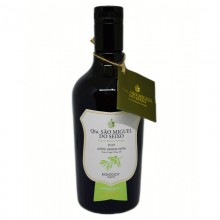
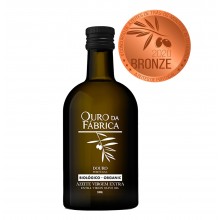
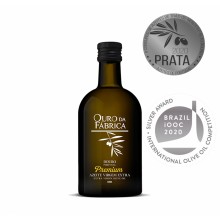
Several quintas in this selection offer certified organic production, meeting rigorous standards for pesticide-free cultivation and sustainable farming practices. Organic extra virgin olive oil from producers such as Quinta São Miguel do Seixo and Ouro da Fábrica combines the quality benchmark of Virgem Extra classification with a verified commitment to organic methods. This style is best suited when you are looking for environmental assurance alongside clear regional character.
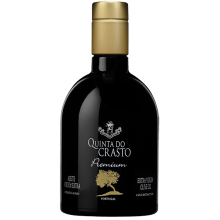
Beyond organic certification, you will also find premium extra virgin olive oil from established quintas including Herdade de S. Miguel, Dona Berta, and other respected Portuguese producers. These premium selections illustrate different production approaches: some emphasise single-variety expression, while others rely on carefully composed blends of complementary olive types. The distinction worth making here is that premium status is not simply about price, but about precision in harvest, lower yields, and a more defined flavour profile.
For gifts, special occasions, or a more considered pantry selection, premium oils tend to offer greater concentration, limited production, and clearer provenance. If there is one criterion to hold onto, it is that these oils are chosen less for everyday neutrality and more for flavour impact, identity, and the ability to stand on their own at the table.
Oil from Portugal: heritage and expertise
Each producer represented in this selection brings generations of growing, harvesting, and production knowledge to the craft of olive oil. Choosing Portuguese olive oil means choosing provenance: oil that reflects a specific terroir, informed harvest decisions, and production methods refined over decades.
The range of Portuguese olive oils available to you spans regional expressions, certification choices, and premium tiers. When selecting between styles, the choice is best guided by intended use, flavour preference, and whether organic certification or producer heritage matters more in your case.