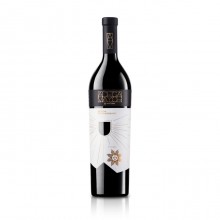
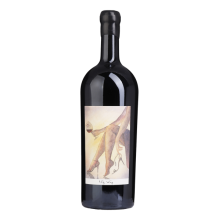
Vivid ruby color with aromas of ripe red fruits, suggesting jam, toast from the associated timber. When opening evolves towards notes of cocoa, spices and some fine tobacco. In the mouth it is round and balanced with soft tannins, dominated by the elegance, finishing gently but persistently.
<p></p> <p>The Altas Quintas project is born from the obsession of making wines with different characteristics in Alentejo for discerning lovers.</p> <p></p> <p></p> <p></p>
<p>On the tasting notes, the O Fugitivo Tinto Cão often presents a more open color. It typically features aromas of red fruits with subtle vegetal notes. On the palate, it's described as delicate with well-present tannins and a long, persistent finish. While detailed specific tasting notes for this wine can vary by vintage, the Tinto Cão grape generally contributes to wines with firm but rounded tannins, good acidity, and can develop complex aromas with age. For food pairing, wines made from Tinto Cão are often recommended with smoked meats, red meats, game, and aged cheeses, making it a versatile choice for a range of hearty dishes.</p>
<p></p><p><span>Reserva do Comendador red i an elegant and refined companion for a large array of strong cheeses and roasted meat dishes. Excellent harmony with game dishes and/or dishes with intense and spicy aromas and flavours</span></p>
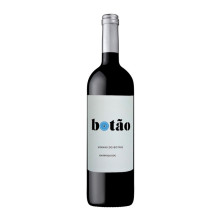
<p>Versatile and gastronomic, Vinhas do Botão Red Wine pairs beautifully with grilled red meats, roast lamb, rich pasta dishes, and aged cheeses. Its balance of fruit, acidity, and tannin also makes it an excellent companion for game dishes or hearty stews, especially during cooler seasons.</p>
<p></p><p>Founded in 1854 by the descendants of the Duke of Lencastre, surrounded by cork oaks and eucalyptus trees from Australia, the Herdade da Calada is hidden between the gentle hills of the Alentejo. Throughout the years it has been the target of various interventions and improvements, but preserves the beauty and elegance of the original feature of the main building and today is one of the most modern and innovative winemaking domains in Portugal, with an enotourism unit, 35 hectares of vineyard, 110 hectares of olive grove, 60 of cereals, 215 of mount and a magnificent lodging</p>
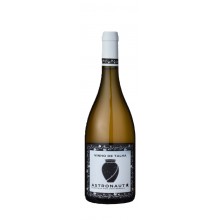
<p></p><p>Natural grappe entière wine. Fermentation, red like, 6 months in roman 1000 litres amphora. 1 year in stainless steel vat. 6 months of bottle ageing.</p>
<p>Serving this wine at a temperature of 16º- 18º C is recommended to fully savor its intricate flavors. It is an excellent choice to accompany strong dishes such as game bean stew, duck rice, hare rice, a partridge dish known as "six hundred devils", a Portuguese steak, or even a board of soft cheeses from Azeitão or Serra. The clay soil in which the grapes were grown lends the wine additional complexity. The grapes were harvested manually in September and transported in 10 kg boxes to prevent crushing. The fermentation process took place in a stainless steel vat for three weeks, with the temperature controlled at 24º C. After alcoholic and malolactic fermentation, the wine was aged for 28 months in new French oak barrels, followed by additional aging in the bottle.</p>
<p></p><p>The wines of Solar dos Lobos are the result of a triple selection of clusters that only came from our 75 ha of vineyard. The first selection starts near to the painter stage, where a thinning of bunches is made, in order to select just those which will allow to obtain the maximum quality. The second selection takes place during the harvest, when workers are alerted to cut just the grapes which are in perfect sanitary condidition. The third selection is made during the winery grape entry as the recolt is discharged from 20 kg boxes to the mat of choice, where 2 to 4 people remove all the leaves, branches and the clusters which show no quality: being too green or too mature.</p>
<p></p><p>Paulo Laureano began to be known for being one of the most productive consultant oenologists in Alentejo, one of the most sought-after oenologists considered by the new wave of producers who arrived in the Alentejo in the mid-90's. He was also known as Mr. Mouchão when he started to lead the oenology team of this classic Alentejo producer, as well as his classic mustaches that stand out from the crowd</p>



 No review at the moment