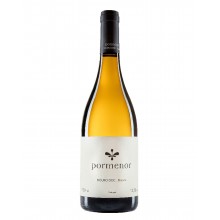
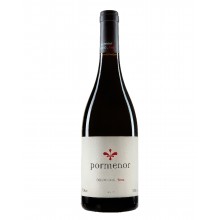
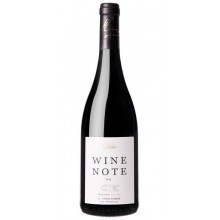
<p></p> <p>Pormenor was born in the Douro Valley, Portugal, in 2013.<br />This project has a soul in its philosophy, giving priority to the main elements used in wine production: soil, vineyards, grapes and climate.</p> <p>Wine Republic</p> <p> </p>
<p></p><p>Pormenor was born in the Douro Valley, Portugal, in 2013.<br />This project has a soul in its philosophy, giving priority to the main elements used in wine production: soil, vineyards, grapes and climate.</p> <p>Mimos</p>
<p></p><p>Pormenor F de Francesa is a wine that has undergone minimal intervention in the cellar, with native, indigenous yeasts and a low use of So2.</p> <p>It presents very present green tannins that will become very elegant with ageing in the bottle. Slight reduction with good acidity and low alcohol</p>
<p></p><p><span>Soalheiro is the first Alvarinho brand in Melgaço (the northern point of Portugal) and one of the first portuguese producers of Alvarinho</span></p> <p></p> <p></p>
<p></p><p>Branco Especial is a white wine with no harvest year, which confirms the excellence of Dão in the production of great whites and the guardian potential that characterizes the wines of the region. Wine bottled in 2019</p>
<p></p> <p>Tinta Negra grape variety is part of the ancient spirit of Madeira Island and is still the basis for the wines that have made the island famous. Outside Madeira Island, it is a rare grape variety that can only be found in regions where the sea is close by, taking on another name such as Molar in Colares, where it is practically extinct, Saborinho in the Azores, which is in the process of recovery, and the Canaries, where it takes on the name of TintaBastardo where it has very little expression.Not to be confused with Bastardo (aka Trosseau), its half-sister.</p>
<p></p><p><span>Soalheiro is the first Alvarinho brand in Melgaço (the northern point of Portugal) and one of the first portuguese producers of Alvarinho</span></p>
<p></p><p>“Quinta do Vallado, established in 1716, is one of the oldest and most famous “Quintas” in the Douro Valley”. It once belonged to the legendary Dona Antónia Adelaide Ferreira, and still belongs to her descendents</p> <p> </p>
<p></p><p>Located between Mangualde and Nelas, in place of Abrunhosa do Mato, Quinta dos Roques is well the example of the spirit with which the new Dão is being built. From the early Roques, more than a century ago, the vine and wine are part of the daily life of this family</p>
<p>On the tasting notes, the O Fugitivo Tinto Cão often presents a more open color. It typically features aromas of red fruits with subtle vegetal notes. On the palate, it's described as delicate with well-present tannins and a long, persistent finish. While detailed specific tasting notes for this wine can vary by vintage, the Tinto Cão grape generally contributes to wines with firm but rounded tannins, good acidity, and can develop complex aromas with age. For food pairing, wines made from Tinto Cão are often recommended with smoked meats, red meats, game, and aged cheeses, making it a versatile choice for a range of hearty dishes.</p>
<p></p><p><span>The wines from Paço dos Cunhas de Santar reveal intensity and personality and have the particular characteristics of being the result of vineyards that practice organic agriculture.</span></p> <p></p>
<p></p><p>Located between Mangualde and Nelas, in place of Abrunhosa do Mato, Quinta dos Roques is well the example of the spirit with which the new Dão is being built. From the early Roques, more than a century ago, the vine and wine are part of the daily life of this family</p>
<p></p><p>Located in Vilar Seco, municipality of Nelas, in the district of Viseu, Quinta da Teixuga is a 30 hectare property.<br />Located in the heart of the Dão Region, it is surrounded by mountainous massifs, such as Serra da Estrela and Caramulo. This location allows excellent thermal amplitudes for a good maturation of the grapes leading to its slow maturation producing wines with rich aromas and good acidity</p>
ttwh3818
0 review
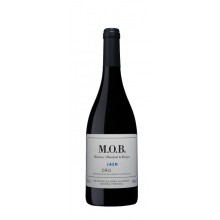
MOB was created by three winemakers, Jorge Moreira, Francisco Olazabal and Jorge Serôdio Borges, to make a wine together.




 No review at the moment