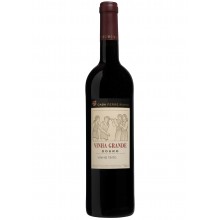
Porca de Murça red wine shows excellent structure, velvety and very well balanced
Porca de Murça is Douro’s leading brand, having celebrated 85 years of existence in 2013, and becoming one of Portugal’s oldest wine brands. The brand originated from a folktale from the small village of Vila de Murça, in the Douro Valley
<p></p><p>Casa Ferreirinha and its wines are synonymous with quality, time and art. Thus it has been since the company’s founding in the eighteenth century by Bernardo Ferreira, whose formula was refined by his descendants, especially his granddaughter Dona Antónia Adelaide Ferreira, known affectionately as Ferreirinha or Ferreirinha-da-Régua</p>
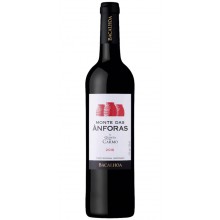
<p></p><p>Bacalhôa Vinhos de Portugal, S.A., one of the largest and most innovative wine companies in Portugal, has developed over the years a wide range of wines that has earned it a solid reputation and the preference of national and international consumers. Present in 7 Portuguese winegrowing regions, with a total of 1200ha of vineyards, 40 farms, 40 different vineyards and 4 vinous centers (cellars), the company is distinguished in the market by its size and autonomy in 70% in the own production</p>
<p></p><p>Pioneers in the growing of French grapes varieties in Portugal, Fiuza Wines specialized in mono-varietal wines. Nowadays Fiuza produces wines from Portuguese and international grapes with grapes that come from their one estates: Quinta da Requeixada and Quinta da Granja. The most important red varieties are: Touriga Nacional, Alicante Bouschet, Aragonez, Cabernet Sauvignon, Merlot, Syrah, and the most important white varieteies are: Alvarinho, Arinto, Vital, Fernão Pires</p>
<p></p><p>Located in Anadia, the Caves of the Mountain were founded in 1943 by Adriano Henriques, passing since then from parents to children, being now in the fourth generation. Focused on the production, marketing and distribution of beverages, has sought with the passing of many years and a few generations always the same purpose, the quality of its products. Proof of this is the many quality awards you have been earning over the years</p>
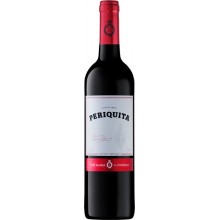
<p></p><p>Periquita was registered in 1941 by Jose Maria Fonseca. Periquita is now the oldest brand of Portuguese table wines having acquired widespread popularity over the years in Portugal and others markets such as Sweden, Brazil, the UK, the USA, Canada, Denmark and Norway</p> <p></p> <p></p>
<p></p><p>The Symington family, with Scottish, English and Portuguese ancestry has been present in the Douro for five generations — since 1882 — and through the current generation’s great grandmother, the family’s links to the wines of the Douro span 14 generations, to the mid-17th century and to the very beginnings of the history of Port</p>
<p></p><p>Vila Regia is the denomination conferred to settlements founded, in times, by a king. In Portugal there are numerous settlements of these referenced through charters or charters that illustrated royalties, rights and duties of lands and populations</p>
<p></p><p>Approach at Quinta de Cottas is to capture the essence of the Douro Valley’s premier vineyards producing wines with high quality, distinct personality that pair well with food and are accessibly priced.<br />Quinta de Cottas house style is the blend of the vineyards with the winery’s personality and winemaking priorities, as expressed through the wines. Although the wines are different in each vintage, a thread of similarity ties them together</p>
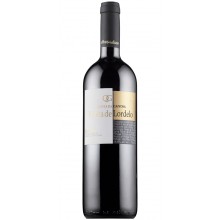
<p></p><p class="page-title">Quinta da Gaivosa Vinha de Lordelo has a deep ruby colour, notes of violet, eucalyptus, varnish and black plums. Deep, complex, but always with great freshness and elegance. Full of fresh fruit, liquorice and spices. Involving, dense, but with a remarkable harmony and balance.</p> <p></p> <p></p>
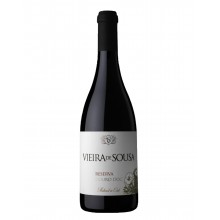
<p></p><p>The Alves de Sousa family has long traditions in the production of Port Wine. It was up to Domingos Alves de Sousa, a great lord of the Douro, to launch quiet wines in the 90s. Since then, some of the best topos of the region are his responsibility, seconded by his son Tialgo Alves Sousa</p>
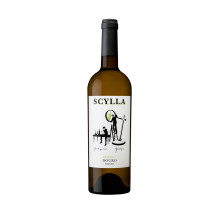
<p>Made from a blend of the Viosinho, Gouveio and Rabigato grape varieties.</p> <p>After 2 days of decanting at 10ºC, fermentation in stainless steel vats for 20 days at a temperature of 15ºC. Ageing: 30% of the blend is aged in new 500 litre French oak casks.</p>
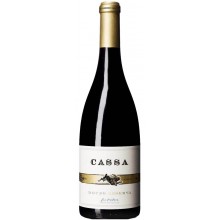
<p></p><p>The wines of Quinta da Cassa estate are inspired in the flavours and tastes of the Douro Superior and in the Cassa’s imaginary, standing out for its gastronomic character</p> <p></p> <p></p>
<p></p><p class="hiddeh1">Quinta Nova de Nossa Senhora do Carmo is a place of extreme beauty in the heart of Douro valley and owned by Amorim family since 1999. But the «quinta» is much earlier than this and history confirms it as a great land belonging to the Portuguese Royal House, having been identified its first owner in 1725.</p> <p class="hiddeh1">Mirabillis, Quinta Nova Vintage, Pomares, Grainha and Quinta Nova Red and White wine</p> <p></p> <p></p>
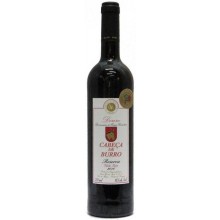
<p></p><p><span>Cabeça de Burro Reserva has an intense ruby color, an aroma of ripe fruit, perhaps most evident strawberries and raspberries, red fruit with some spice. In the mouth it is very smooth with wooden fruit. Full-bodied portuguese wine with a medium end</span></p> <p></p> <p></p>



 No review at the moment