Porta da Calada White Wine of the Herdade da Calada, produced in the Alentejo region by the Antão Vaz and Verdelho grape varieties
Founded in 1854 by the descendants of the Duke of Lencastre, surrounded by cork oaks and eucalyptus trees from Australia, the Herdade da Calada is hidden between the gentle hills of the Alentejo. Throughout the years it has been the target of various interventions and improvements, but preserves the beauty and elegance of the original feature of the main building and today is one of the most modern and innovative winemaking domains in Portugal, with an enotourism unit, 35 hectares of vineyard, 110 hectares of olive grove, 60 of cereals, 215 of mount and a magnificent lodging
<p></p> <p>Founded in 1955, Adega de Borba was the first of a series of wineries settled in the Alentejo region. Nowadays the Adega de Borba brings together 300 associates whose vineyards cover a total area of 2,000 hectares, 70% of which is cultivated with red grape varieties and 30% with white one</p>
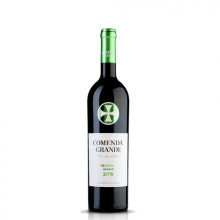
<p>Comenda Grande Reserva White wine presents a crystalline appearance and citrine color. It exudes a citrus aroma, subtly complemented by notes of fermentation woods, thus adding to its aromatic complexity and finesse. The taste reveals a fresh, structured profile, with a hint of acidity contributing to a prolonged, full finish. This results in a sensation of harmony and elegance.</p>
<p></p> <p>Rocim is the owner of Herdade do Rocim and Vale da Mata. Today, this brand is renowned for the quality of its wine and Cellar. Speaking of its history is speaking of a dream and therefore, it means speaking of the present and future. Because dreams are endless.</p>
<p></p><p>Quinta de São José de Peramanca is located five kilometres from Évora, on National Road 114. The large and traditional house, marked by baroque architecture, and the church of San José adjacent to it facilitate identification. With 34 hectares, the Quinta has in the manor house and in its vineyard its greatest patrimony.</p> <p>As for the peculiar name of the Quinta "Peramanca" (Pedra-Manca), it means "oscillating stone, not very safe", is explained by the existence in the region of large granite stones in oscillating balance. Since Roman times and over the centuries, the surroundings to the west of Évora have been considered as one of the most important regions producing quality wine, and the area has become known as "Terras de Peramanca", given the abundance of these oscillating stones.</p>



 No review at the moment