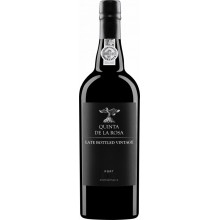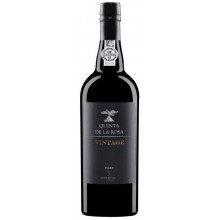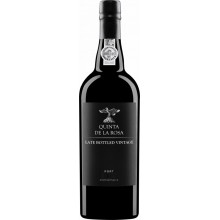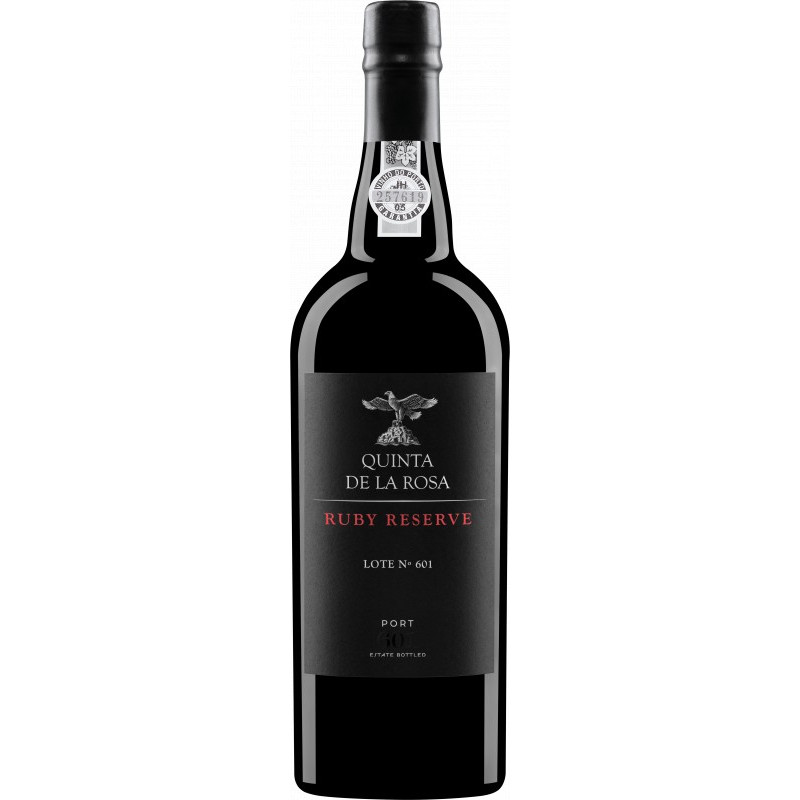
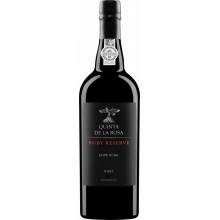
Quinta de la Rosa Vintage Lote 60 is rich with a vibrant colour, great depth, body and fruit, with a long finish. Like all La Rosa Ports, not too sweet. It should be consumed within 2 to 3 years of bottling
All ports at Quinta de la Rosa are made in the ‘house style’ namely slightly drier without any cloying sweetness that is often associated with ports. As in their wines, they search for balance, harmony and equilibrium from their vineyards and they try to enable the grapes to express themselves in the bottle. The La Rosa style is to make well defined wines without too much extraction and tannin
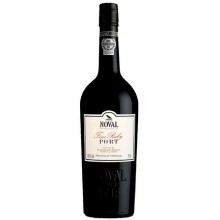
<p></p><p><span>Noval LBv is a remarkable example of the Noval style. Treated exactly like a Vintage Port with only noble grape varieties from the Quinta, trodden by foot and unfiltered. Its main difference is that it is aged for four, sometimes five years in wooden vats instead of the two years typical of Vintage Ports</span></p>
<p></p><p><span>Since was founded as a port wine house, the company devoted much of its energy to international wine markets. Ramos Pinto company was also a Pioneer in the study of Portuguese grape varieties, viticulture in the Douro region, winemaking and medical wines (properties of quinine).</span></p>
<p></p><p>Graham's was one of the first Port companies to invest in its own vineyards in Portugal’s Douro Valley in 1890 and is now at the cutting edge of innovation in winemaking techniques. This makes Graham’s a pioneer since always. </p> <p>Today five cousins of Symington family share responsibility for every aspect of the company and personally make the Graham’s wines</p> <p></p> <p></p>
<p></p><p>Vinha do Mazouco red is the result of rigorous quality control which allows it to meet the standards expected for a higher average quality wine</p>
<p></p><p><span>Quinta de la Rosa Tawny is a young tawny port, produced through rapid aging in small, old oak 550 litre pipes (or barrels) to give an aged appearance and flavour. It is blended from Quinta de La Rosa stocks of Port to give this young Tawny its characteristic style which will be the same from year to year</span></p>
<p></p><p><span>Niepoort Tawny Dee, with an average age of three and a half years, originates from low yielding vineyards in Cima Corgo region of Douro Valley. The grapes are predominantly trodden in lagares, prior to ageing in small old oak casks at our lodges in Vila Nova de Gaia</span></p> <p></p> <p></p>
<p></p><p>Conceito Ruby is made from a blend of traditional Douro grape varieties, including Touriga Nacional, Touriga Franca, Tinta Roriz, Tinto Cão and Tinta Barroca</p>
<p></p><p>The House of Sandeman was founded in London in 1790 by George Sandeman, a young Scot from Perth who decided to invest £300 borrowed from his father in creating a business marketing wines from Porto (Portugal) and Jerez (Spain). </p> <p>Always a pioneer, Sandeman was the first company to brand its name on a cask with a hot iron. In 1805, the GSC (George Sandeman Co.) signature was a guarantee of quality for the wine it sold. It was also one of the first companies to label and advertise its wines, which in the early nineteenth century were already being exported to several countries in Europe, North and South America, Africa and Asia. </p> <p>For over two centuries, Sandeman has based its success on a rare capacity for innovation and expertise handed down from generation to generation. Currently, Sandeman clearly stands out as "the" worldwide Port Wine and Sherry brand and proudly signs: "Sandeman, Famous for Pleasure."</p>
<p></p><p>All ports at Quinta de la Rosa are made in the ‘house style’ namely slightly drier without any cloying sweetness that is often associated with ports. As in their wines, they search for balance, harmony and equilibrium from their vineyards and they try to enable the grapes to express themselves in the bottle. The La Rosa style is to make well defined wines without too much extraction and tannin</p>
<p></p><p><span>Quinta de la Rosa Vintage 2018 is in an ideal phase for immediate consumption for those who like their vintage ports young and vibrant but it will develop and mature well in the bottle for the next few decades</span></p>
<p></p><p><span>Quinta de la Rosa Vintage was trodden by foot in granite lagares for three to four days with temperature control. The more complex lotes of 2017 were kept for 18 months in wooden oak 25 pipe tonels before being blended.</span></p>
<p></p><p>All ports at Quinta de la Rosa are made in the ‘house style’ namely slightly drier without any cloying sweetness that is often associated with ports. As in their wines, they search for balance, harmony and equilibrium from their vineyards and they try to enable the grapes to express themselves in the bottle. The La Rosa style is to make well defined wines without too much extraction and tannin</p>
<p></p><p><span>Quinta de la Rosa Vintage 2020 is in an ideal phase for immediate consumption for those who like their vintage ports young and vibrant but it will develop and mature well in the bottle for the next few decades</span></p>
<p></p><p>All ports at Quinta de la Rosa are made in the ‘house style’ namely slightly drier without any cloying sweetness that is often associated with ports. As in their wines, they search for balance, harmony and equilibrium from their vineyards and they try to enable the grapes to express themselves in the bottle. The La Rosa style is to make well defined wines without too much extraction and tannin</p>
Qtlvt2659
0 review
Quinta de la Rosa Vintage Lote 60 is rich with a vibrant colour, great depth, body and fruit, with a long finish. Like all La Rosa Ports, not too sweet. It should be consumed within 2 to 3 years of bottling