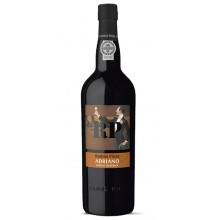
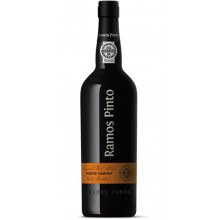
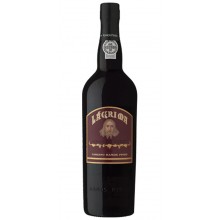
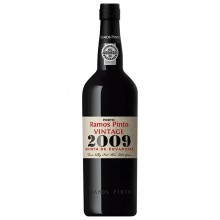
Since was founded as a port wine house, the company devoted much of its energy to international wine markets. Ramos Pinto company was also a Pioneer in the study of Portuguese grape varieties, viticulture in the Douro region, winemaking and medical wines (properties of quinine).
<p></p><p><span>Since was founded as a port wine house, the company devoted much of its energy to international wine markets. Ramos Pinto company was also a Pioneer in the study of Portuguese grape varieties, viticulture in the Douro region, winemaking and medical wines (properties of quinine).</span></p>
<p></p><p><span>Since was founded as a port wine house, the company devoted much of its energy to international wine markets. Ramos Pinto company was also a Pioneer in the study of Portuguese grape varieties, viticulture in the Douro region, winemaking and medical wines (properties of quinine).</span></p>
<p></p><p><span>Since was founded as a port wine house, the company devoted much of its energy to international wine markets. Ramos Pinto company was also a Pioneer in the study of Portuguese grape varieties, viticulture in the Douro region, winemaking and medical wines (properties of quinine).</span></p>
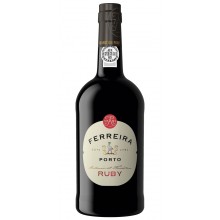
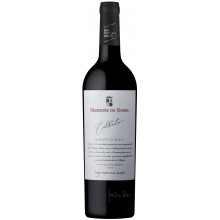
<p></p><p>Since 1751 Ferreira name has always been synonymous with high-quality Portuguese wine. The brand's history is intertwined with the history of the evolution of the Douro Region (demarcated in 1756) and its Porto and table wines (Douro DOC).</p> <p>Dona Antonia, endowed with exceptional energy and a rare commercial talent gave great impetus to wine-growing in Douro and was well-known for her acts of social welfare in the region. Her intelligence and kindness earned her the warm admiration of her contemporaries, who affectionately nicknamed her "Ferreirinha" (little Ferreira). <br />Today, more than 250 years later, Ferreira is "the Portuguese brand", the benchmark in excellent quality Porto and Douro wine as "Porto Ferreira", "Barca Vellha" "Reserva Especial", "Callabriga", "Quinta da Leda" and "Antónia Adelaide Ferreira", the symbol of a country and a culture it proudly honours.</p>
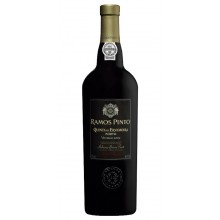
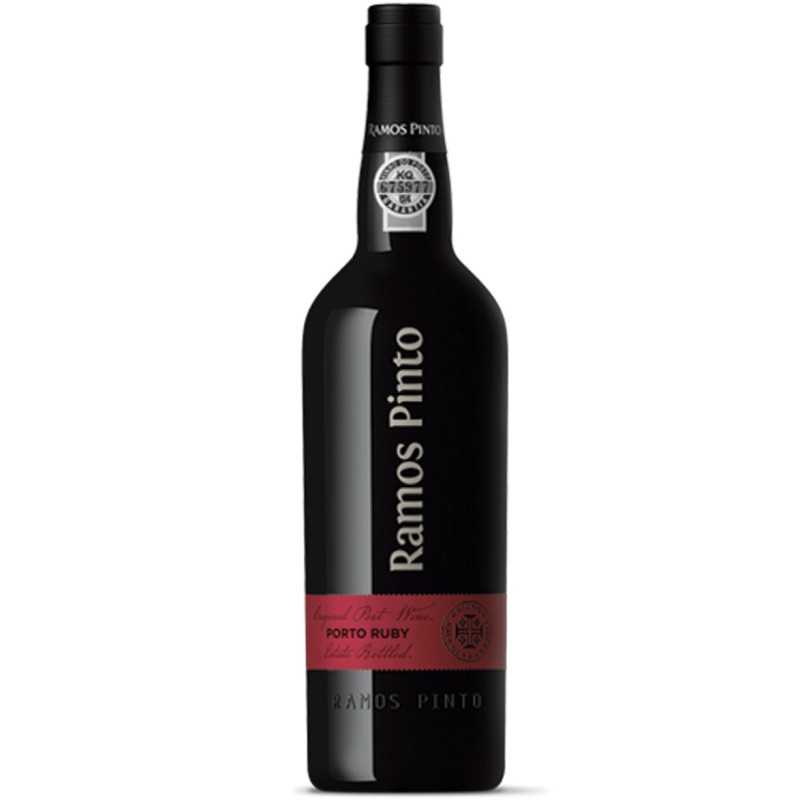
<p></p><p>Since its foundation in 1880, Casa Ramos Pinto has remained an independent family business and maintained its own production strategy and continuous technical and technological research, characteristics still unparalleled in the sector.<br />The wines come from its four properties: Quinta do Bom Retiro and Quinta da Urtiga, located in the heart of the Douro, and Quinta dos Bons Ares and Quinta de Ervamoira, the most modern of the Upper Douro</p>
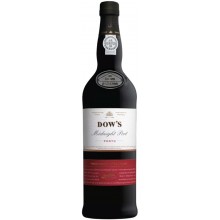
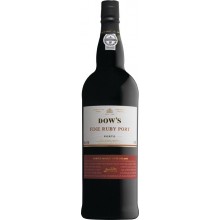
<p></p><p>The story of Dow’s is unusual amongst all the great Port houses. It began in 1798 when Bruno da Silva, a Portuguese merchant from Oporto, made a journey which was the opposite to that of the first British merchants. The Port shipping business was continued by Bruno’s son, John da Silva who in 1862 brought into partnership Frederick William Cosens. With the continuing expansion of the firm, Edward da Silva and Frederick Cosens were joined by George Acheson Warre, whose well known family had been involved in the Port trade since its earliest years. In 1877, Silva & Cosens merged with another leading Port company, Dow & Co.</p> <p>Although smaller than Silva & Cosens, Dow & Co had become a very highly regarded Port producer with a particularly fine reputation for its Vintage Ports and when the two companies merged, it was decided to adopt DOW’S as the brand name</p> <p>For over two centuries the name of DOW has been associated with the finest Port from the vineyards of the Upper Douro Valley. Throughout the 20th Century and into the 21st, the Symington family has built on the legacy of the preceding Silva and Dow families.</p> <p>Dow’s attractive and distinctive drier finish is the recognisable hallmark of the wines from this great Port house.</p> <p></p> <p></p> <p></p>
<p></p><p>The story of Dow’s is unusual amongst all the great Port houses. It began in 1798 when Bruno da Silva, a Portuguese merchant from Oporto, made a journey which was the opposite to that of the first British merchants. The Port shipping business was continued by Bruno’s son, John da Silva who in 1862 brought into partnership Frederick William Cosens. With the continuing expansion of the firm, Edward da Silva and Frederick Cosens were joined by George Acheson Warre, whose well known family had been involved in the Port trade since its earliest years. In 1877, Silva & Cosens merged with another leading Port company, Dow & Co.</p> <p>Although smaller than Silva & Cosens, Dow & Co had become a very highly regarded Port producer with a particularly fine reputation for its Vintage Ports and when the two companies merged, it was decided to adopt DOW’S as the brand name</p> <p>For over two centuries the name of DOW has been associated with the finest Port from the vineyards of the Upper Douro Valley. Throughout the 20th Century and into the 21st, the Symington family has built on the legacy of the preceding Silva and Dow families.</p> <p>Dow’s attractive and distinctive drier finish is the recognisable hallmark of the wines from this great Port house.</p> <p></p> <p></p> <p></p>
<p></p><p>Since its foundation in 1880, Casa Ramos Pinto has remained an independent family business and maintained its own production strategy and continuous technical and technological research, characteristics still unparalleled in the sector.<br />The wines come from its four properties: Quinta do Bom Retiro and Quinta da Urtiga, located in the heart of the Douro, and Quinta dos Bons Ares and Quinta de Ervamoira, the most modern of the Upper Douro</p>
<p></p><p>Since its foundation in 1880, Casa Ramos Pinto has remained an independent family business and maintained its own production strategy and continuous technical and technological research, characteristics still unparalleled in the sector.<br />The wines come from its four properties: Quinta do Bom Retiro and Quinta da Urtiga, located in the heart of the Douro, and Quinta dos Bons Ares and Quinta de Ervamoira, the most modern of the Upper Douro</p>
<p></p><p><span>Since was founded as a port wine house, the company devoted much of its energy to international wine markets. Ramos Pinto company was also a Pioneer in the study of Portuguese grape varieties, viticulture in the Douro region, winemaking and medical wines (properties of quinine).</span></p>
<p></p><p><span>Since was founded as a port wine house, the company devoted much of its energy to international wine markets. Ramos Pinto company was also a Pioneer in the study of Portuguese grape varieties, viticulture in the Douro region, winemaking and medical wines (properties of quinine).</span></p>
<p></p><p><span>Since was founded as a port wine house, the company devoted much of its energy to international wine markets. Ramos Pinto company was also a Pioneer in the study of Portuguese grape varieties, viticulture in the Douro region, winemaking and medical wines (properties of quinine).</span></p>
<p></p><p>Since its foundation in 1880, Casa Ramos Pinto has remained an independent family business and maintained its own production strategy and continuous technical and technological research, characteristics still unparalleled in the sector.<br />The wines come from its four properties: Quinta do Bom Retiro and Quinta da Urtiga, located in the heart of the Douro, and Quinta dos Bons Ares and Quinta de Ervamoira, the most modern of the Upper Douro</p>
<p></p><p>Since its foundation in 1880, Casa Ramos Pinto has remained an independent family business and maintained its own production strategy and continuous technical and technological research, characteristics still unparalleled in the sector.<br />The wines come from its four properties: Quinta do Bom Retiro and Quinta da Urtiga, located in the heart of the Douro, and Quinta dos Bons Ares and Quinta de Ervamoira, the most modern of the Upper Douro</p>
<p></p><p><span>Since was founded as a port wine house, the company devoted much of its energy to international wine markets. Ramos Pinto company was also a Pioneer in the study of Portuguese grape varieties, viticulture in the Douro region, winemaking and medical wines (properties of quinine).</span></p>



 No review at the moment