Não existem mais artigos no seu carrinho de compras
Lista de produtos por fornecedor Bernardo Cabral
Bernardo Cabral é natural de Moçambique, e aos 12 anos decidiu tornar-se enólogo. De uma idade muito jovem, ele percebeu que algo especial tinha que ter o vinho para dar prazer àqueles que bebessem, e especialmente para aqueles que bebessem. Ele ficou fascinado com seus tios de vinificação e tudo o que o mundo místico em seus olhos representava. Sem dúvida que ele queria fazer parte disso. Ele também começou na faculdade através de seu trabalho de curso final. Um estudo muito interessante que lhe permitiu entrar em contato com profissionais reconhecidos do setor e que acabou abrindo algumas portas para ele. Foi desafiado por José Gaspar a fazer parte de sua jovem equipe na então renovada empresa Caves Dom Teodósio. Ele aprendeu muito durante o tempo que estava lá. Então pela mão de Nuno Cancela d'Abreu foi para Companhia das Quintas, no momento de tomar seus primeiros passos. Há 4 anos que trabalhaste nesta casa. Em 2004 foi à Casa Santa Vitória para colocar as "primeiras pedras" com Nuno Cancela d'Abreu como consultor. Ele foi enólogo e diretor da empresa por 8 anos e continua hoje como consultor. Em 2012 teve o desafio da Companhia das Lezírias que o fez mudar a sua "casa da mãe" e até hoje permanece enólogo. Ao mesmo tempo, eles consultam com os bombeiros Guadiana (Mértola), Pegos Claros (Palmela) e Vicentino (Zambujeira-do-mar).
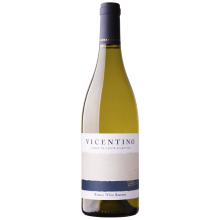
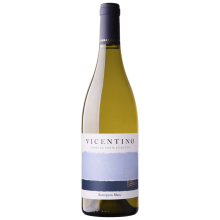
<p></p><p>In Zambujeira do Mar, where the high temperatures of the Alentejo are mitigated by the Atlantic, the concentration typical of inland viticulture is balanced by the freshness and humidity of the sea, leading to ideal maturation. The grapes ripen, thus, in a slow and balanced way, with cool and wet winters, mild summers and the constant presence of the sea winds, creating wines where elegance overrides robustness.</p>
<p></p><p>In Zambujeira do Mar, where the high temperatures of the Alentejo are mitigated by the Atlantic, the concentration typical of inland viticulture is balanced by the freshness and humidity of the sea, leading to ideal maturation. The grapes ripen, thus, in a slow and balanced way, with cool and wet winters, mild summers and the constant presence of the sea winds, creating wines where elegance overrides robustness.</p>
<p></p><p>In Zambujeira do Mar, where the high temperatures of the Alentejo are mitigated by the Atlantic, the concentration typical of inland viticulture is balanced by the freshness and humidity of the sea, leading to ideal maturation. The grapes ripen, thus, in a slow and balanced way, with cool and wet winters, mild summers and the constant presence of the sea winds, creating wines where elegance overrides robustness.</p>
<p></p><p>In Zambujeira do Mar, where the high temperatures of the Alentejo are mitigated by the Atlantic, the concentration typical of inland viticulture is balanced by the freshness and humidity of the sea, leading to ideal maturation. The grapes ripen, thus, in a slow and balanced way, with cool and wet winters, mild summers and the constant presence of the sea winds, creating wines where elegance overrides robustness.</p>
<p></p><p>In Zambujeira do Mar, where the high temperatures of the Alentejo are mitigated by the Atlantic, the concentration typical of inland viticulture is balanced by the freshness and humidity of the sea, leading to ideal maturation. The grapes ripen, thus, in a slow and balanced way, with cool and wet winters, mild summers and the constant presence of the sea winds, creating wines where elegance overrides robustness.</p>
<p></p><p>In Zambujeira do Mar, where the high temperatures of the Alentejo are mitigated by the Atlantic, the concentration typical of inland viticulture is balanced by the freshness and humidity of the sea, leading to ideal maturation. The grapes ripen, thus, in a slow and balanced way, with cool and wet winters, mild summers and the constant presence of the sea winds, creating wines where elegance overrides robustness.</p>
<p></p><p>As vinhas de Herdade de Pegos Claros têm cerca de 40 hectares e são integrados em uma área total de cerca de 540 hectares cuja ocupação é referências nacionais e internacionais do que foi melhor produzido como DOC Palmela.</p>
<p></p><p>Santa Vitória é uma empresa do Grupo Vila Galé, dedicada à produção e venda de vinhos de alta qualidade e azeites da região alentejana. Estabelecida em 2002, e fruto de uma paixão pelos produtos da terra, esta empresa representa um investimento que procura proporcionar um contacto directo com o melhor que se produz no Alentejo</p>
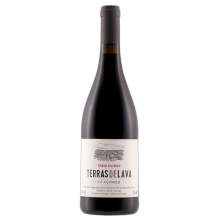
<p></p><p>Romã de cor profunda. Com notas de mentol, cassis e frutas pretas harmonizadas com nuances de torradas do barril onde ele encenado. Na boca é um vinho estruturado e elegante com taninos macios. O fim do teste é muito longo e persistente</p>


 0 revisão